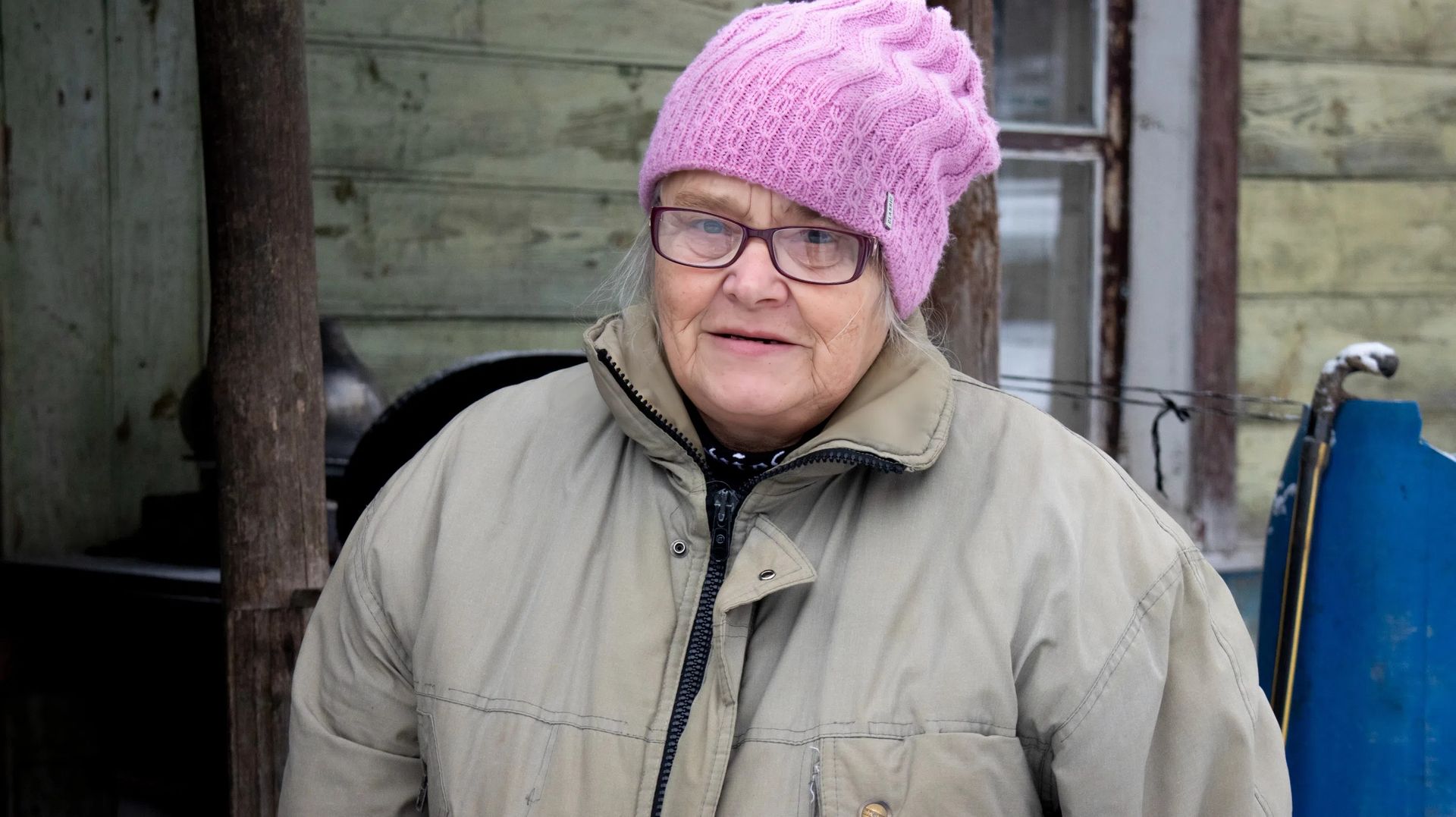
Nadiya Serhiivna now lives in the village of Ivot, Shostky district, although she was associated with Shostka all her life. In February 2022, her daughter died from complications following COVID-19. Then Nadiya Serhiivna took custody of her granddaughter, who was only ten years old. Moving to the village was not planned: after shelling in the city, the windows in their apartment flew out, and it became dangerous to live there. So, together with their granddaughter, they had to seek shelter in the village and rent a house. Her story is about the gradual restoration of life in the conditions of war, responsibility for the child and daily work that helps to hold on.
Ms. Nadia is 72 years old. She receives a pension of a little more than four and a half thousand hryvnias and says directly: at this age, it is impossible to start life somewhere from zero —.
As part of the project "Assessment of agricultural markets and needs in the Shostky district and support in the livelihood of households from among IDPs and the war-affected local rural population from among vulnerable categories of the Shostky territorial community of the Sumy region", the NGO "Association for Democratic Development" together with the Norwegian Refugee Council (NRC) in Ukraine with the support of the Federal Government of Germany started registration for assistance. The project provided livelihood support for IDPs and the war-affected local rural population from among the vulnerable categories of the Shostkin and Yampil communities of the Sumy region.
Ms. Nadiya learned about the opportunity to receive help within the framework of the project at the school where her granddaughter studies. She was told about the possibility to apply. She found part of the information herself on the Internet — and carefully read it, called back the specified number, checked whether it was a fraud. He says that nowadays you can't trust blindly. I filled out the application. After some time, Nadiya received a call from the team of the Association for Democratic Development confirming her participation.
Before receiving help, Ms. Nadia was invited to Shostka: a meeting was held with a short educational part. They talked about farming, the use of fertilizers, pesticides and safety —, the topic is especially relevant, because drones fly over the community regularly. After a short lecture, they concluded a contract.
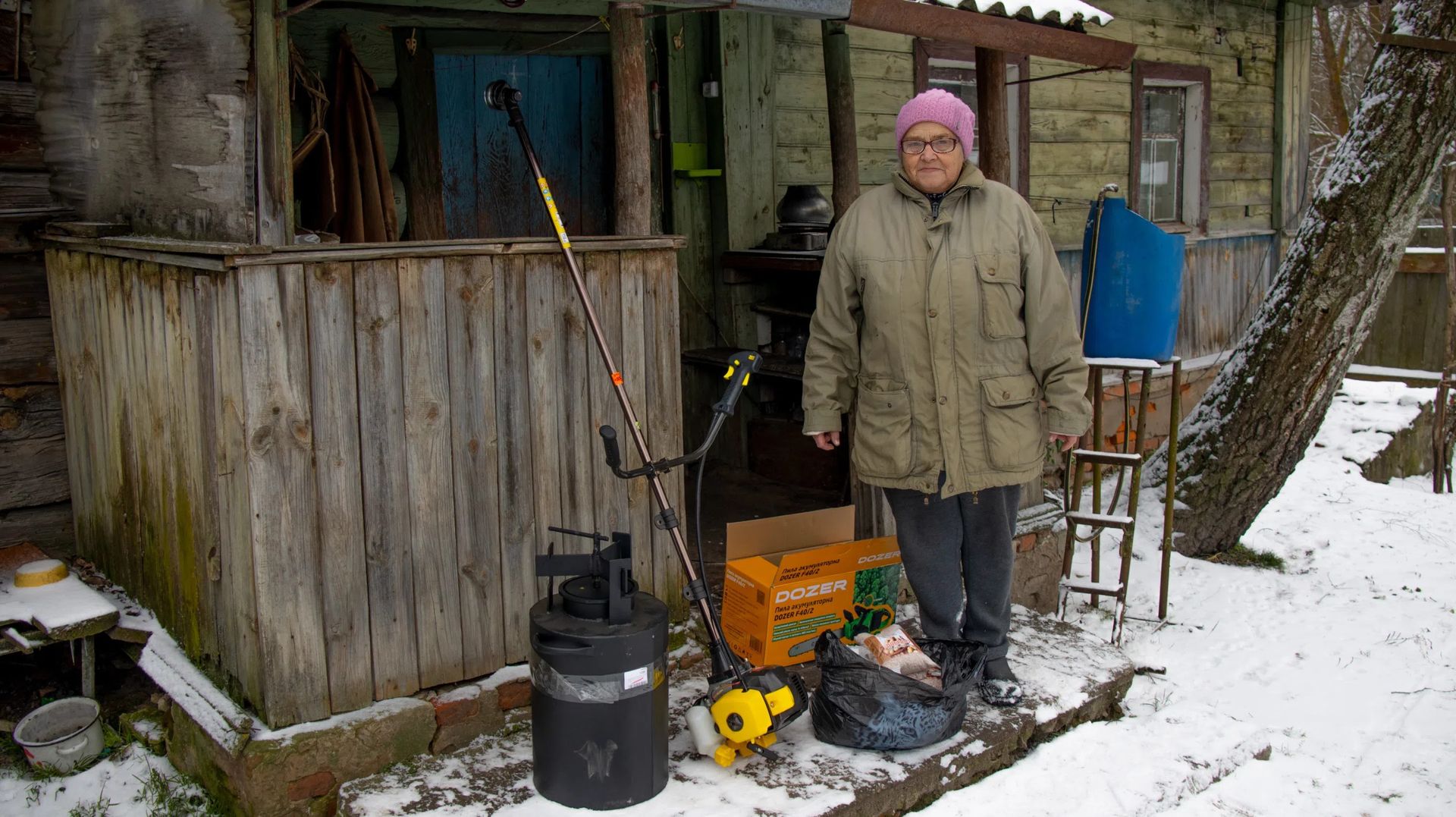
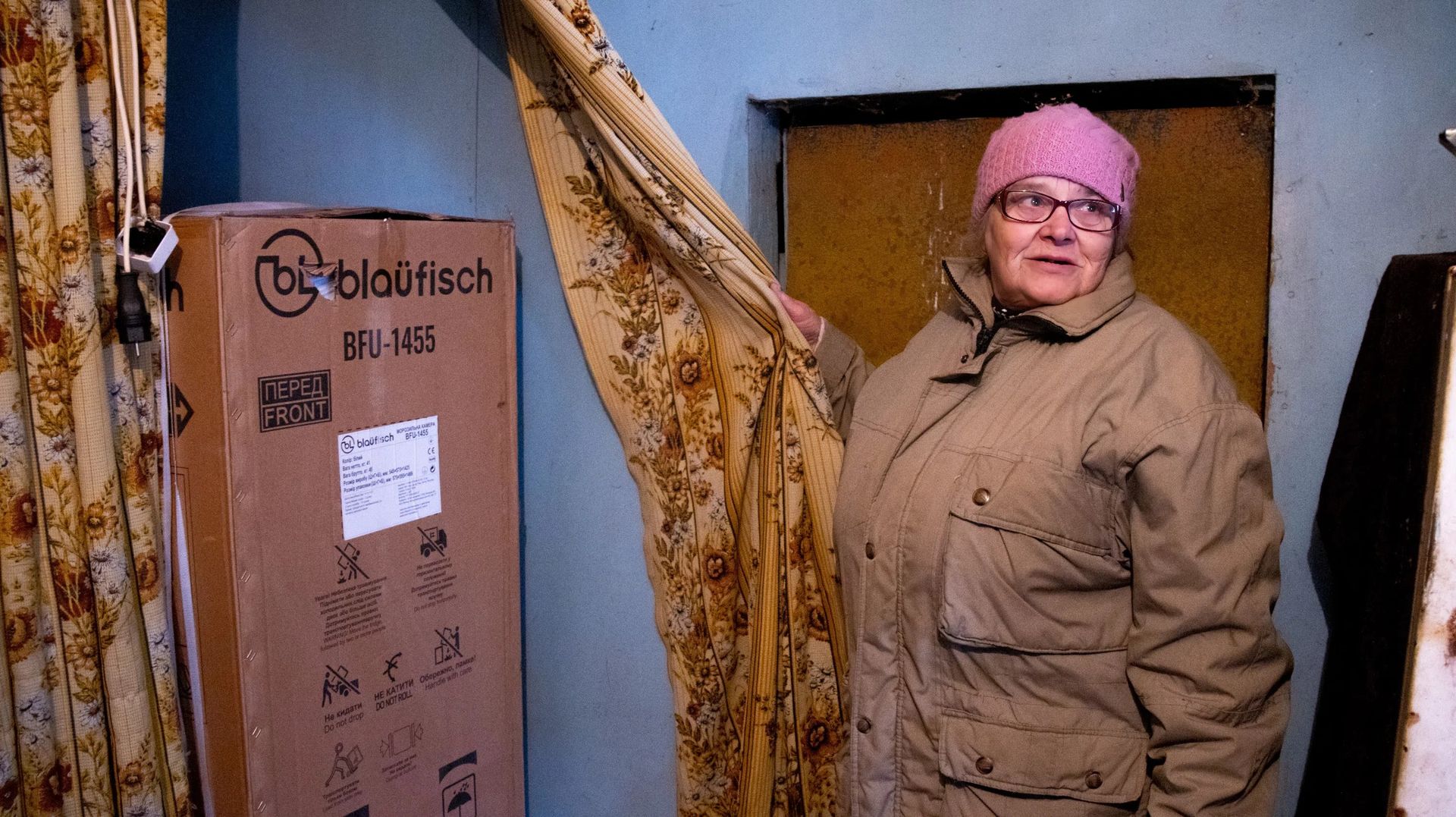
Nadiya used the funds received practically: she purchased an autoclave, a mower, buckets, agrofiber, film, fertilizer, a sprayer, secateurs, and a wheelbarrow. "You can't buy that for retirement, — she says. — Not at once, not gradually". Therefore, this support became a real help for the family, not a formality.
She separately mentions that not everywhere sellers wanted to provide checks, so we had to look for stores where you can buy everything officially. It was important to her that no issues should arise during reporting. As a result, all documents were collected, photos were taken, and the reporting process went smoothly.
New equipment is already actively used in the economy. Recently imported firewood — wheelbarrow has become indispensable. The battery secateurs, Ms. Nadiya admits, initially caused doubts, but turned out to be convenient and powerful.
Last year, the family kept about 80 Indo-ducks, and in the spring they plan to buy poultry again. In autumn, the meat will be processed in an autoclave. The usual crops — potatoes and vegetables are grown in the garden.
The Sumy region, in particular the Shostkin community, continues to be under constant threat of shelling, drone and missile attacks. Some residents are forced to leave their homes or live in conditions of constant risk. In such a situation, the opportunity to run your own household is about stability and a sense of control over your own life. Hope's story shows how even in difficult security conditions, support combined with hard work helps families stay on their land and provide for themselves every day.
The project is implemented by the NGO "Association of Democratic Development" together with Норвезькою радою у справах біженців (NRC) в Україні with the support of the Federal Government of Germany.