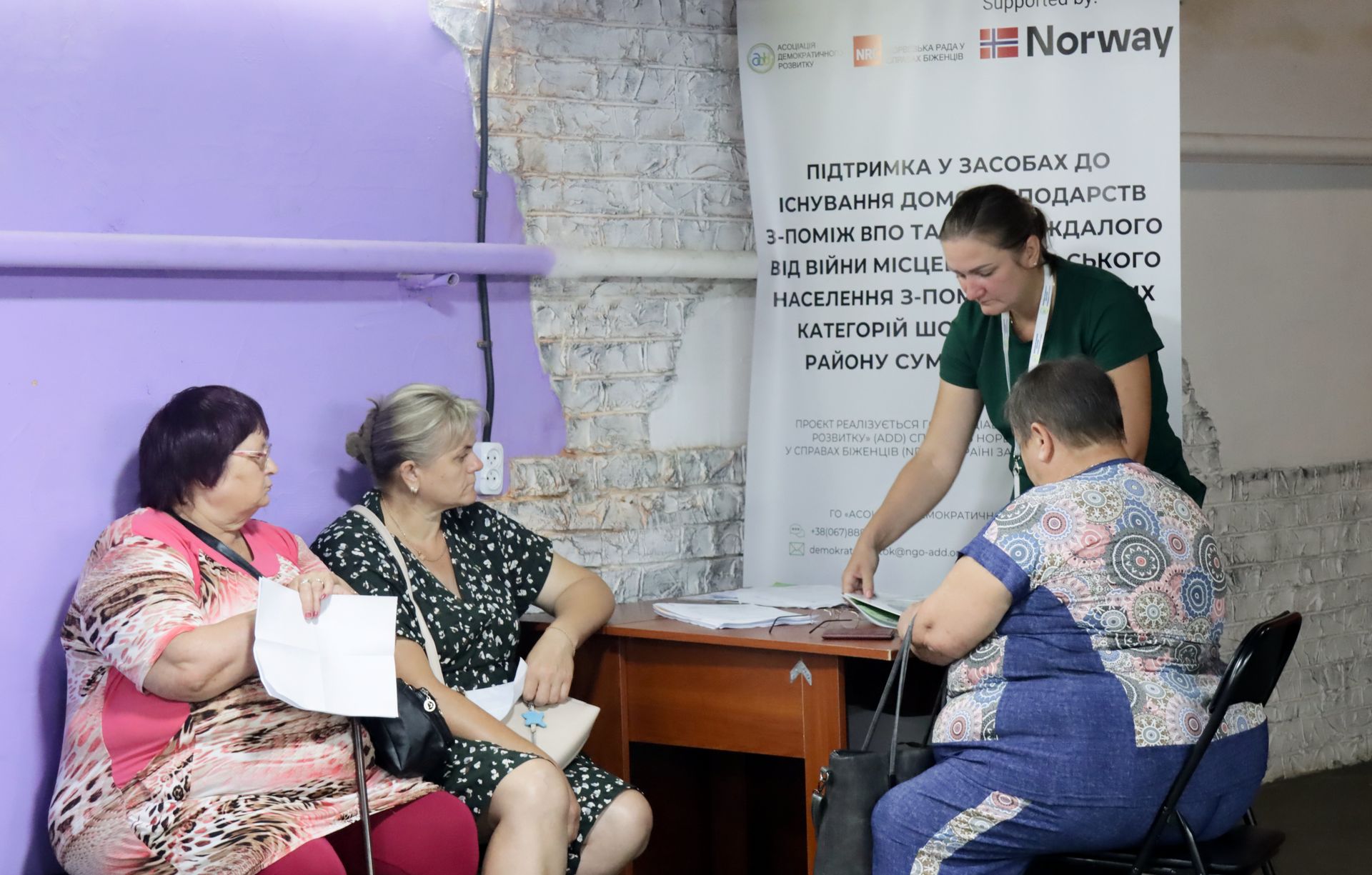
The team of the NGO "Association of Democratic Development" successfully completed an eight-month project to support households from among IDPs and local rural residents who suffered from the war and live in the Shostky district of the Sumy region with their means of livelihood. The project was implemented together with the Norwegian Refugee Council (NRC) in Ukraine and with the financial support of Norway from April to November 2025.
The project aimed to satisfy the most urgent needs of internally displaced persons and the local rural population from among vulnerable categories, to support the households of the Shostkin and Yampil communities of Sumy Oblast with means of livelihood, so that they could increase their self-sufficiency and well-being.
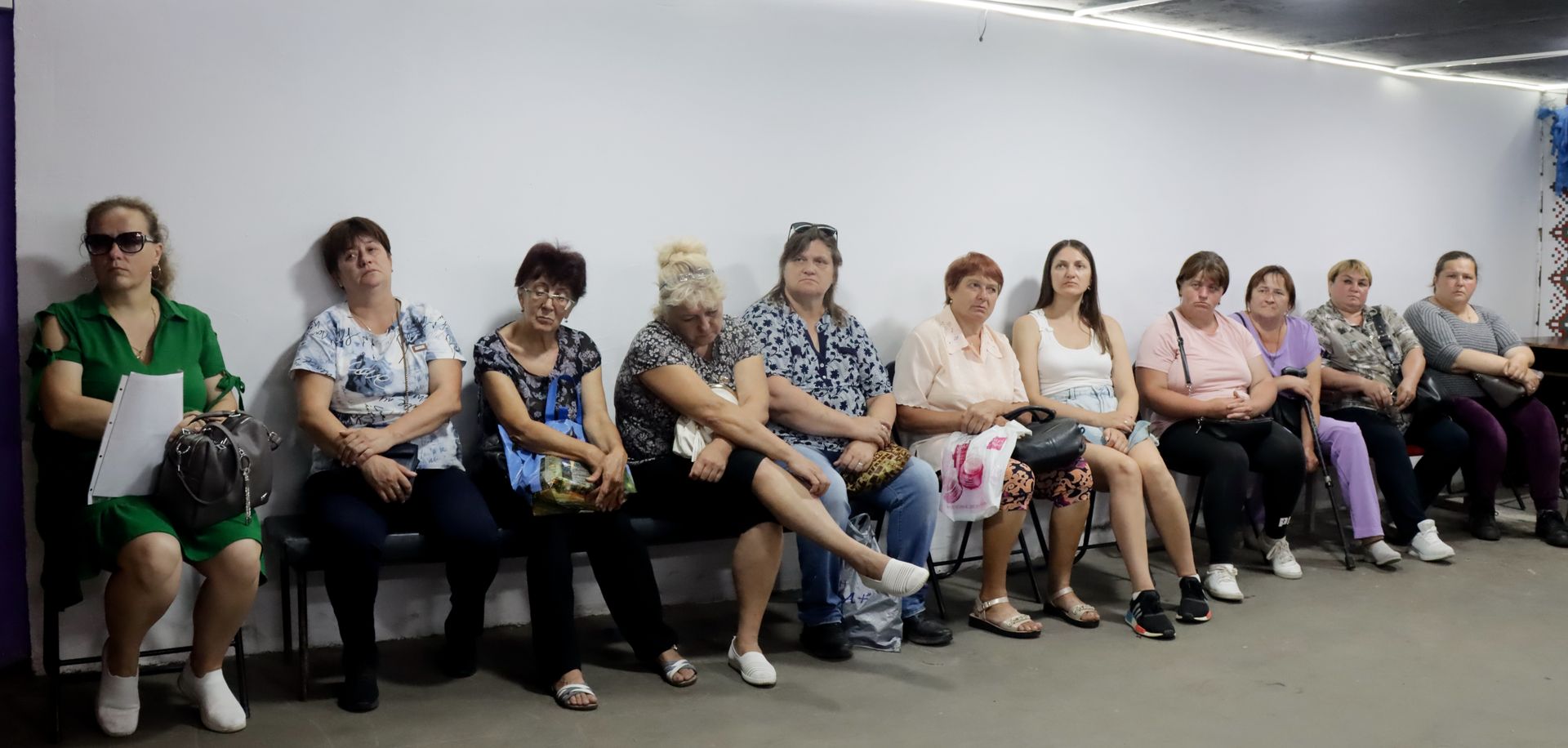
A total of 120 households were supported within the framework of the project. "Selected households received funds in the amount of UAH 37,000. Project participants could use them to purchase goods necessary for agricultural activities, including: fertilizers, agricultural tools, livestock, animal feed, basic equipment and other necessary agricultural goods", said Anna Nikolenko-Bayeva, head of the NGO "Association of Democratic Development". In addition to having the project-defined vulnerability criteria in households, an important condition for participation was that they should have and cultivate a plot of homestead land of at least 0.05 ha. It was thanks to this that the support got to those who really needed it and could use it to strengthen or restore the subsidiary economy.
A total of 120 households were supported within the framework of the project. "Selected households received funds in the amount of UAH 37,000. Project participants could use them to purchase goods necessary for agricultural activities, including: fertilizers, agricultural tools, livestock, animal feed, basic equipment and other necessary agricultural goods", said Anna Nikolenko-Bayeva, head of the NGO "Association of Democratic Development". In addition to having the project-defined vulnerability criteria in households, an important condition for participation was that they should have and cultivate a plot of homestead land of at least 0.05 ha. It was thanks to this that the support got to those who really needed it and could use it to strengthen or restore the subsidiary economy.
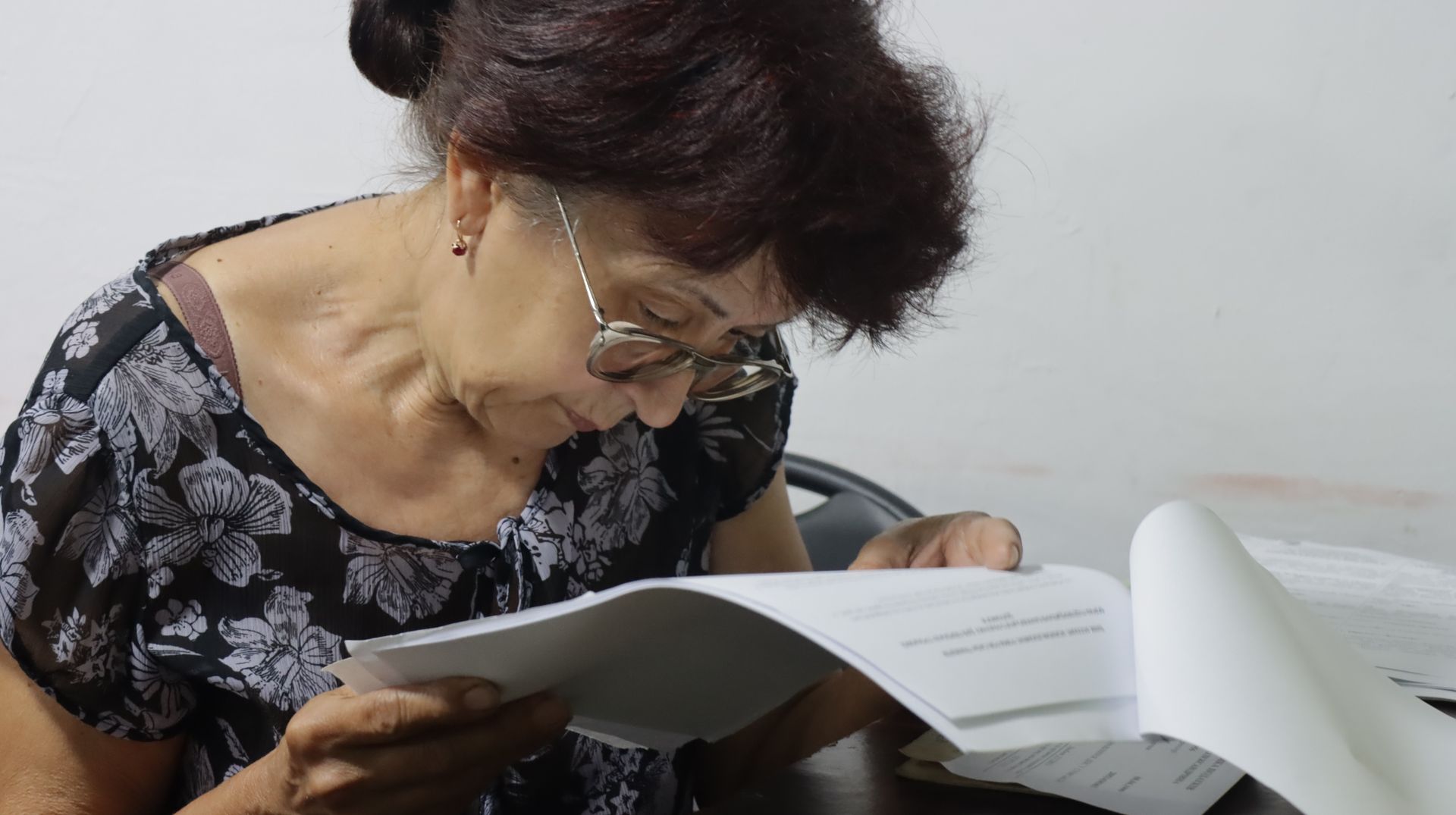
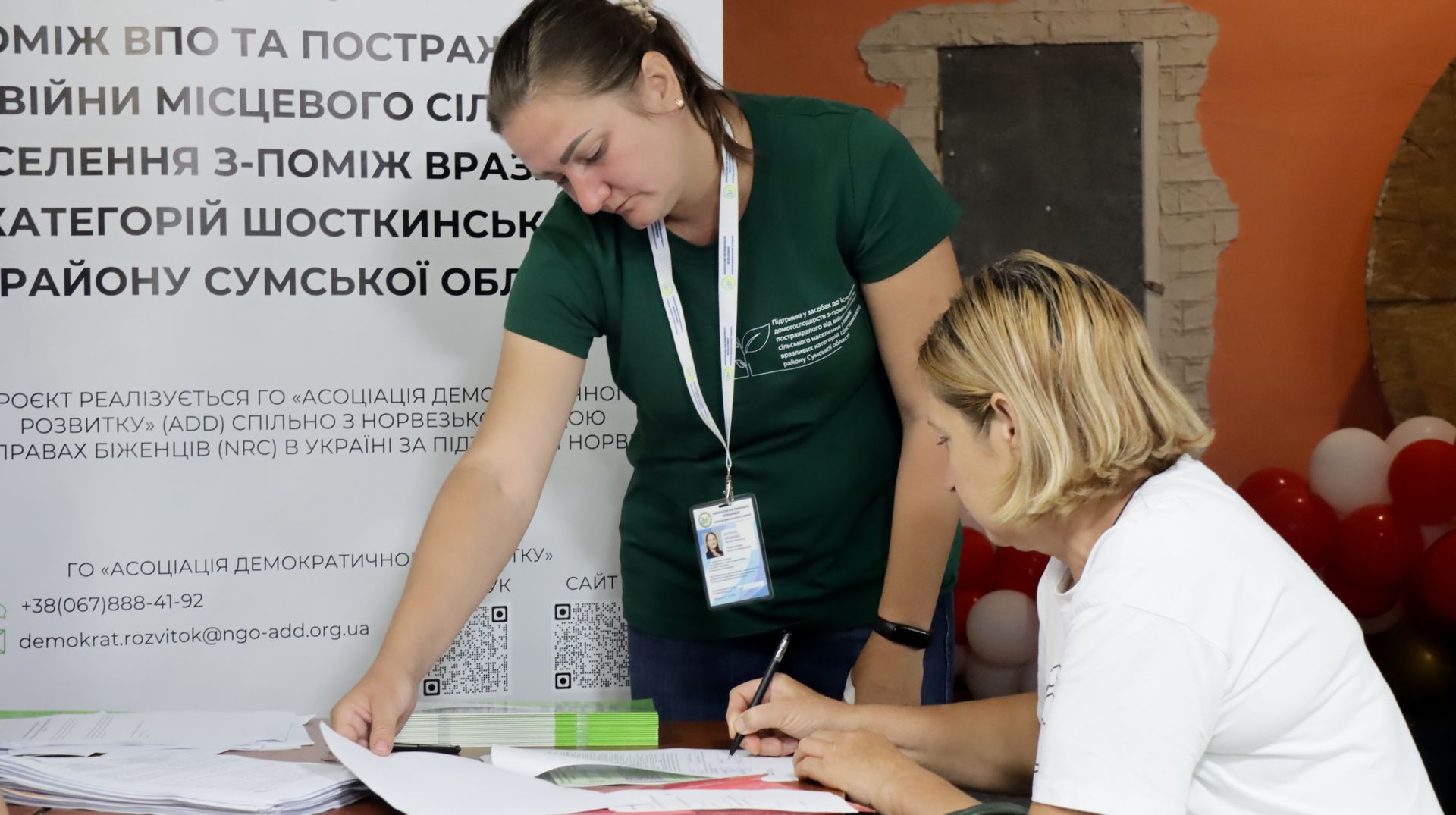
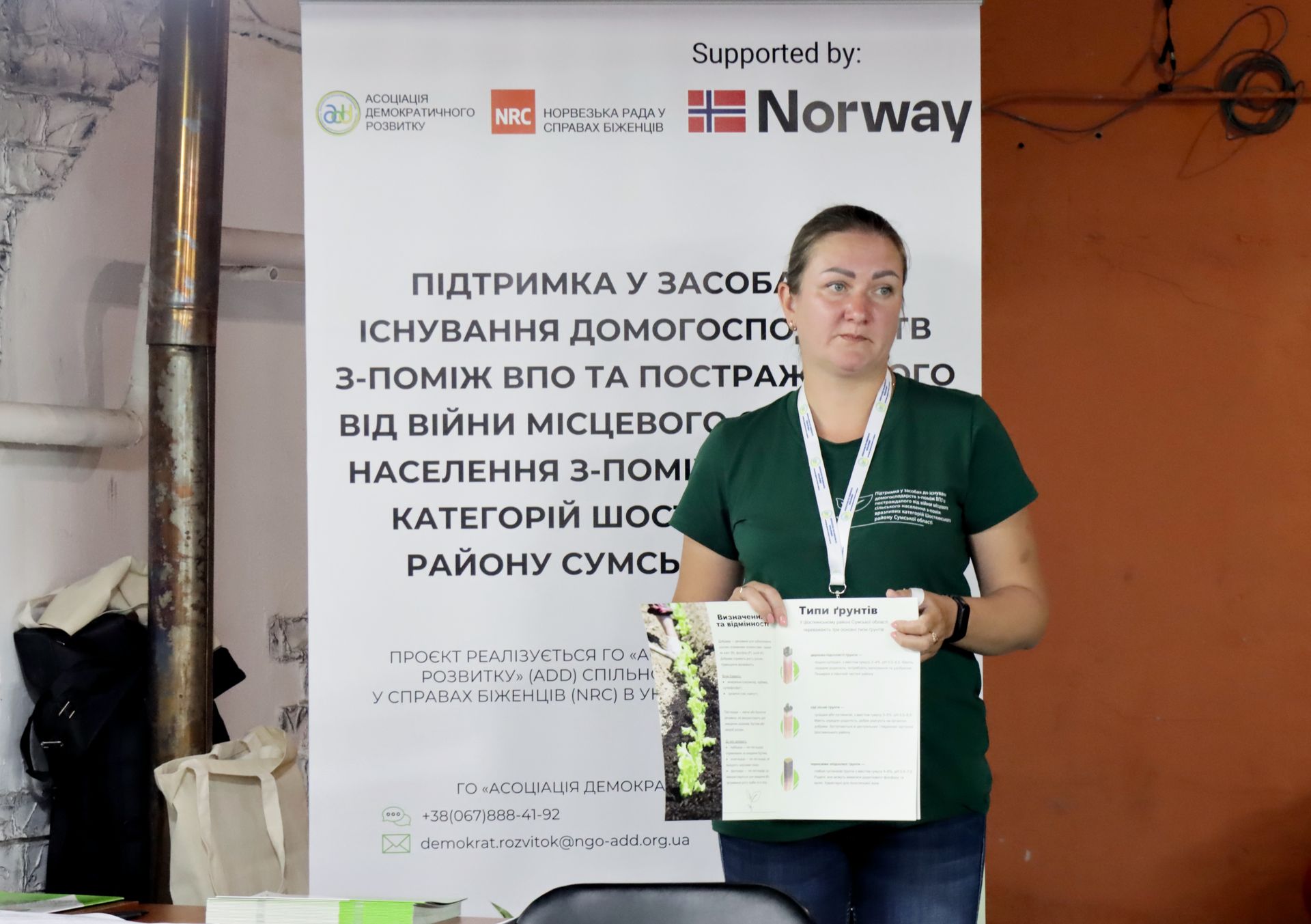
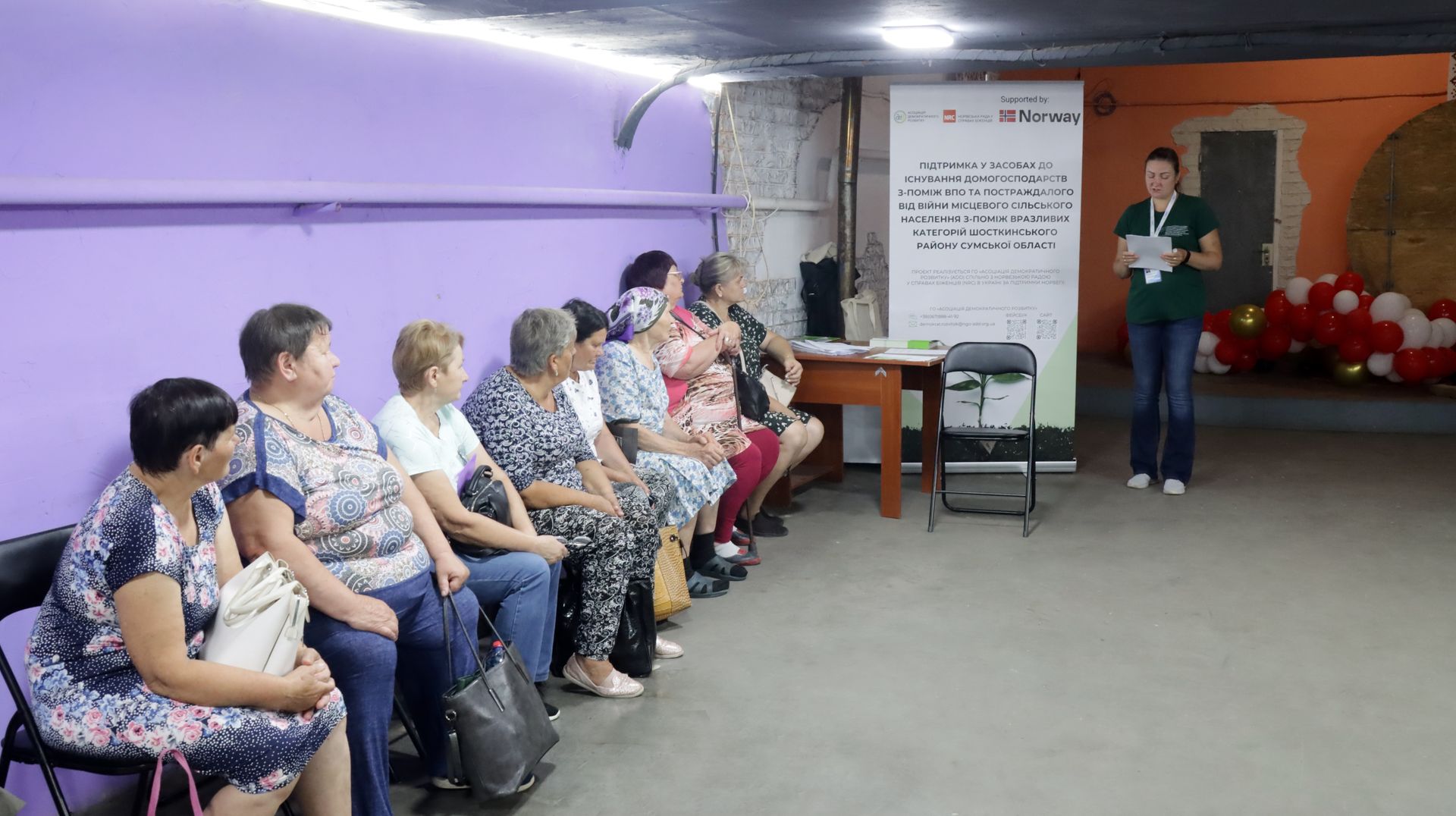
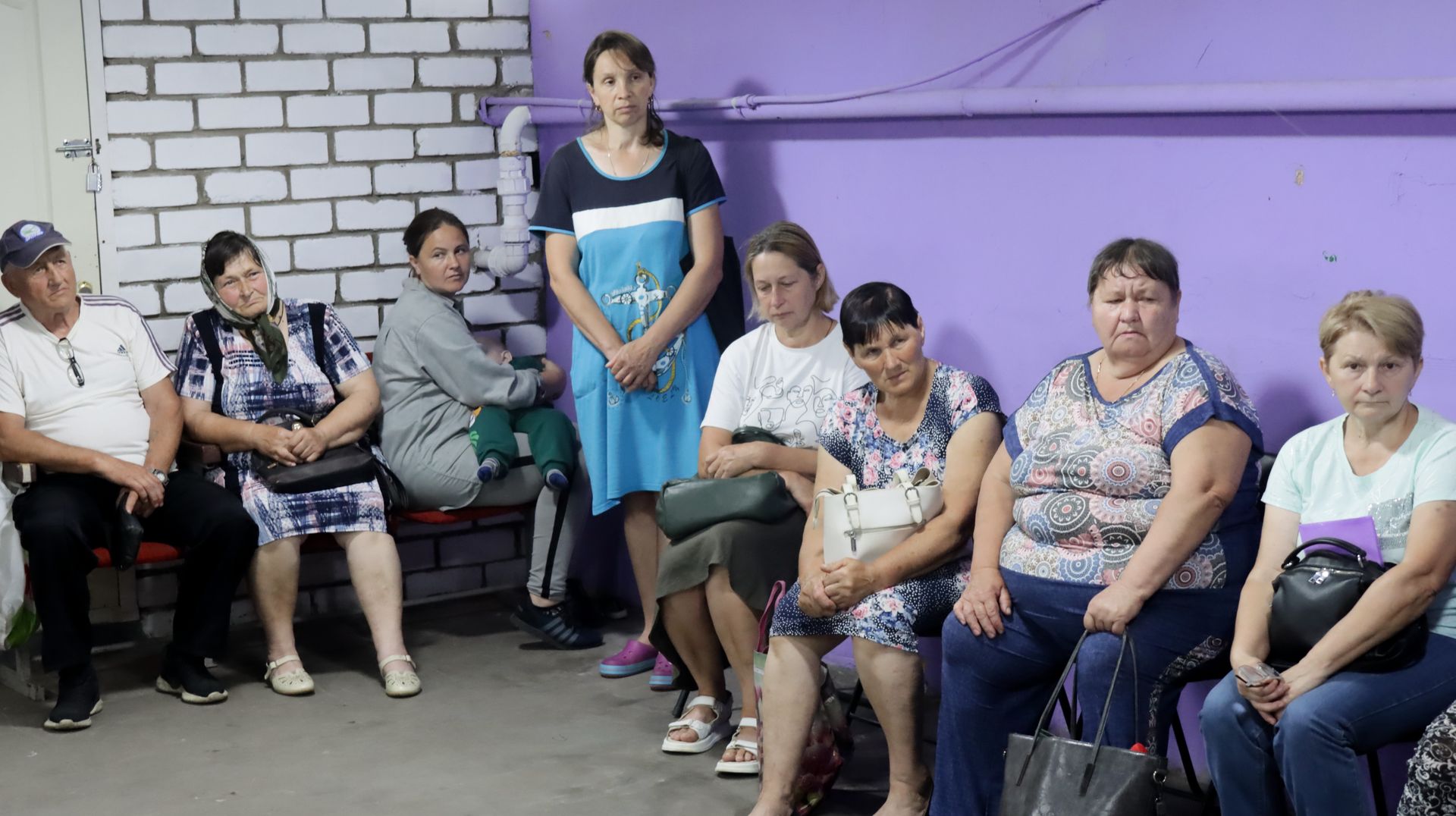
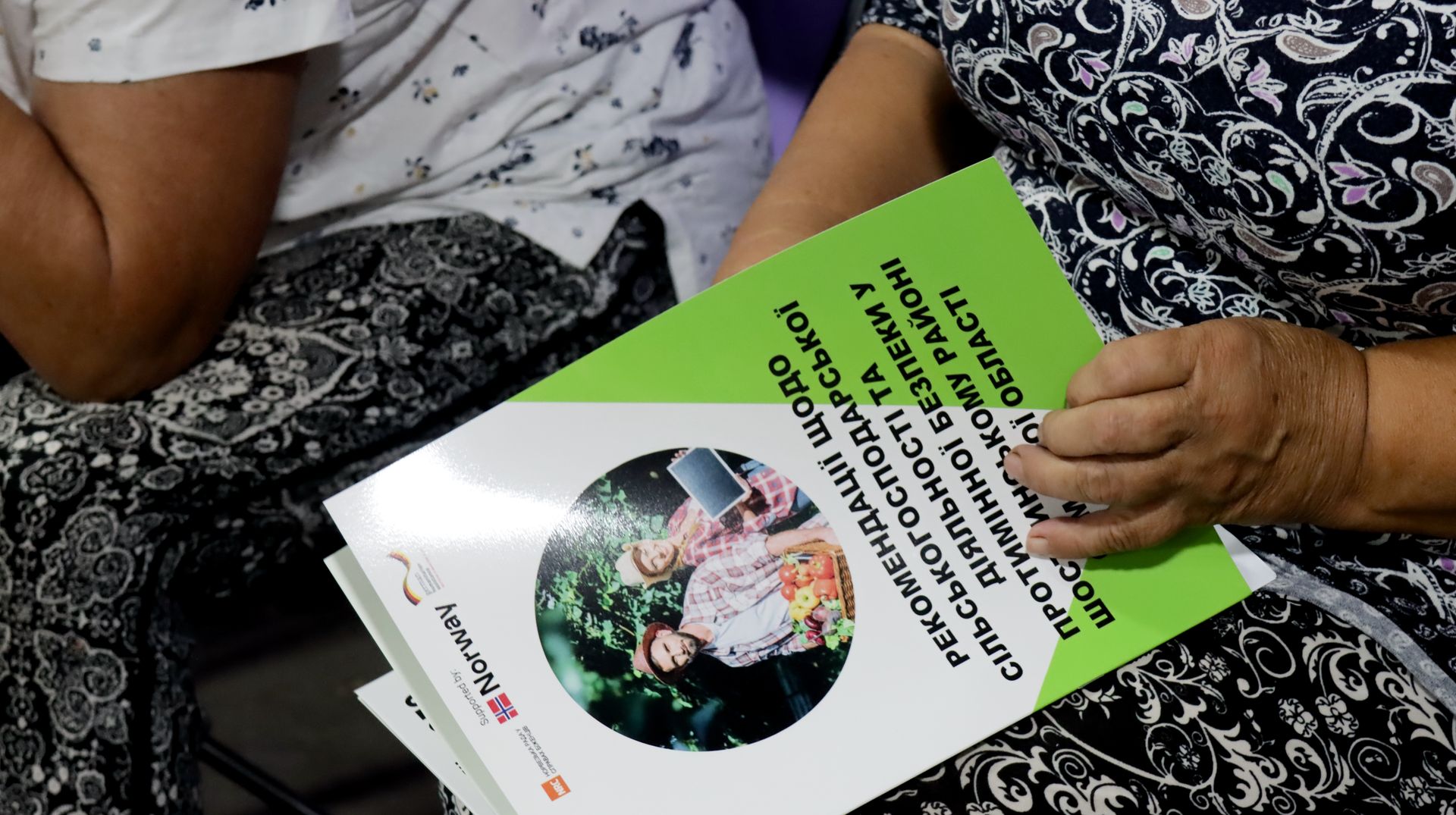
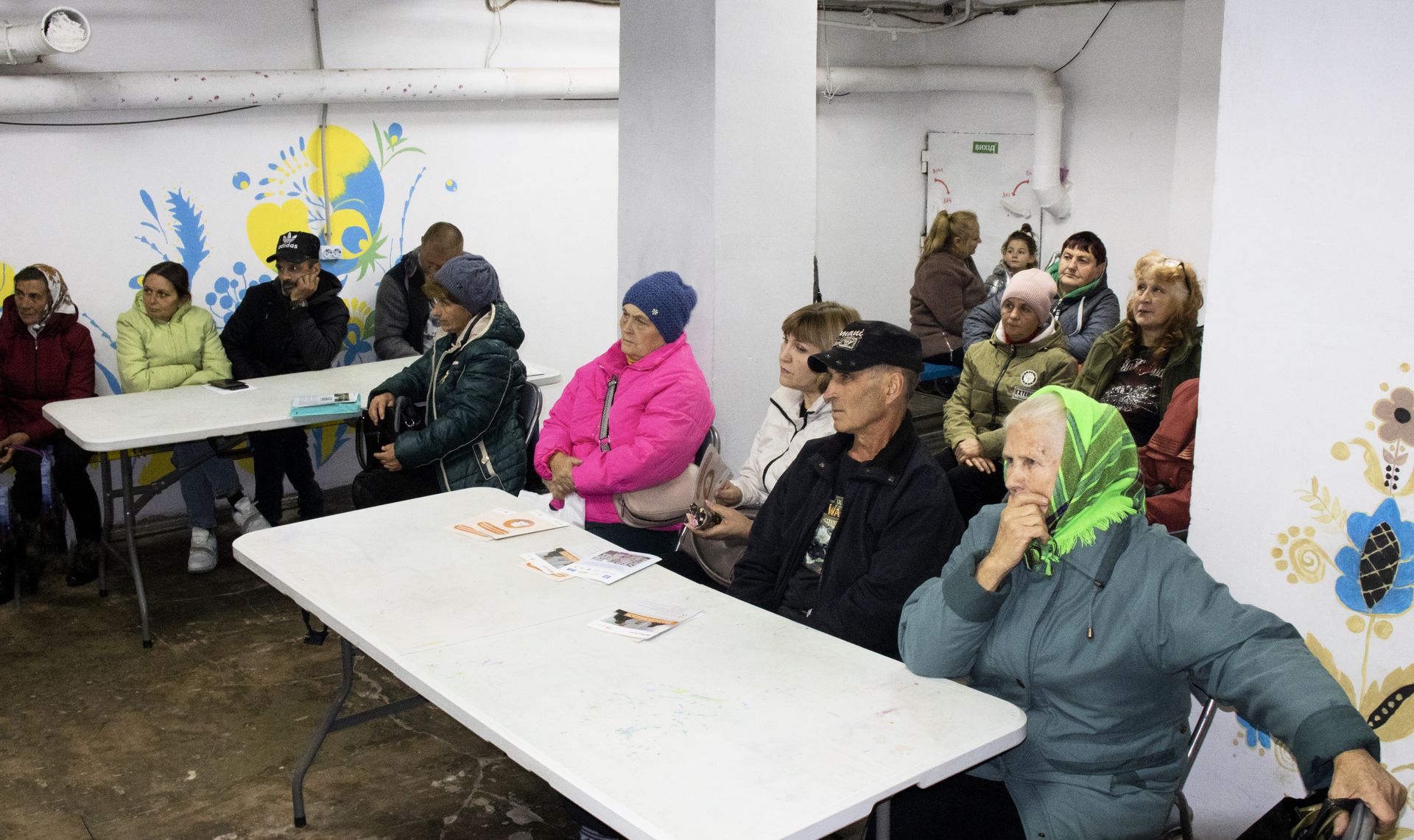
"During these meetings, the representatives of these households also received brochures developed by our team with practical advice on farming in the Shostky district: which crops are suitable for different types of soil, how to properly use fertilizers and pesticides, how to work on the ground safely, taking into account the risks associated with explosive objects or the danger associated with enemy attacks", ― added Nataliya Apanasko, Project Livehoods Officer. Project participants also received flyers with contacts of the Association for Democratic Development and the Norwegian Refugee Council (NRC) in Ukraine, for which they had the opportunity to contact organizations for advice or leave feedback during the project.
Such materials became a real support for many because they strengthened their knowledge, helped to avoid dangerous situations and offered the opportunity to quickly receive answers to questions that worried them.
The actual results of the project were particularly noticeable during monitoring visits and a follow-up.
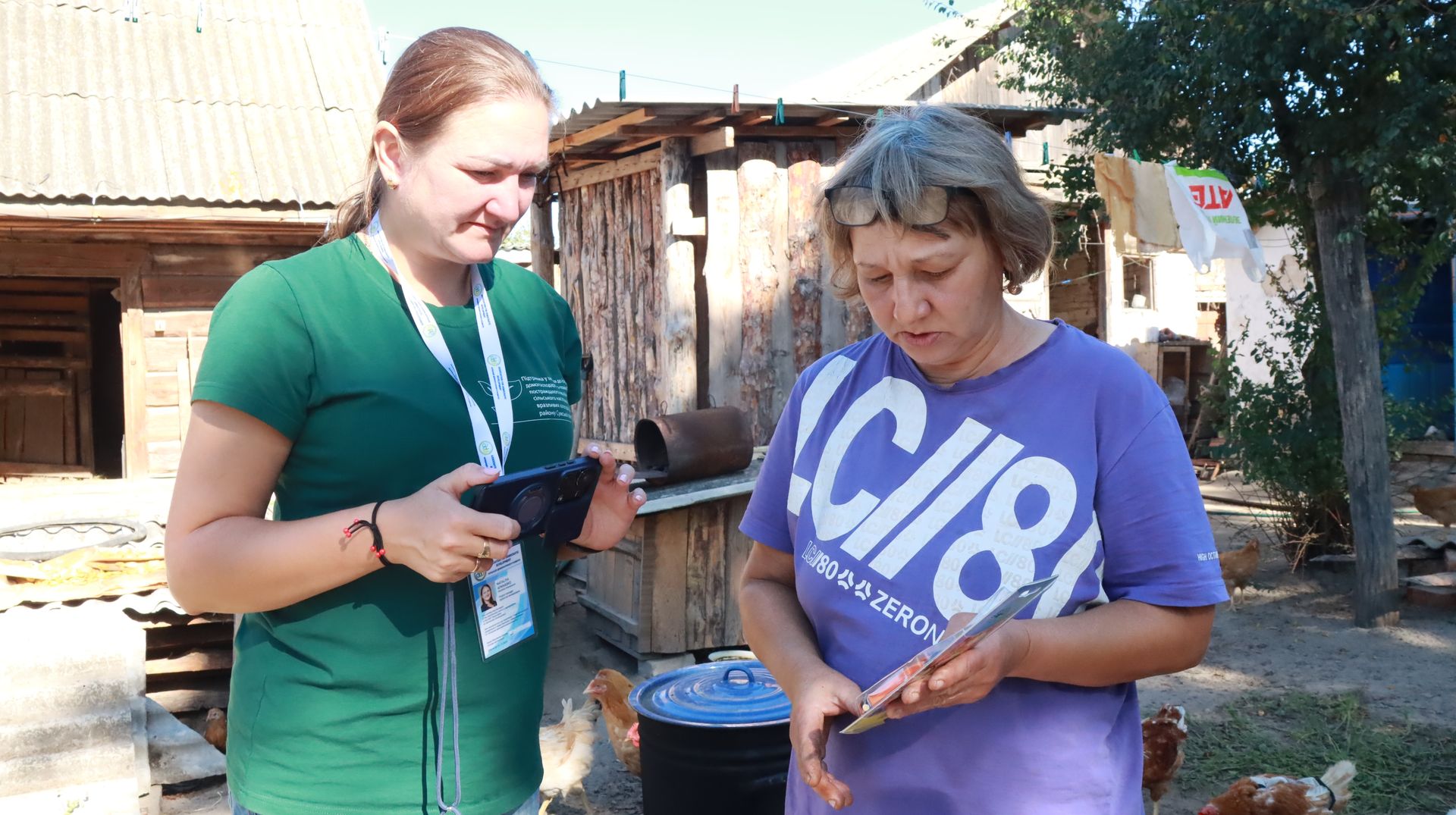
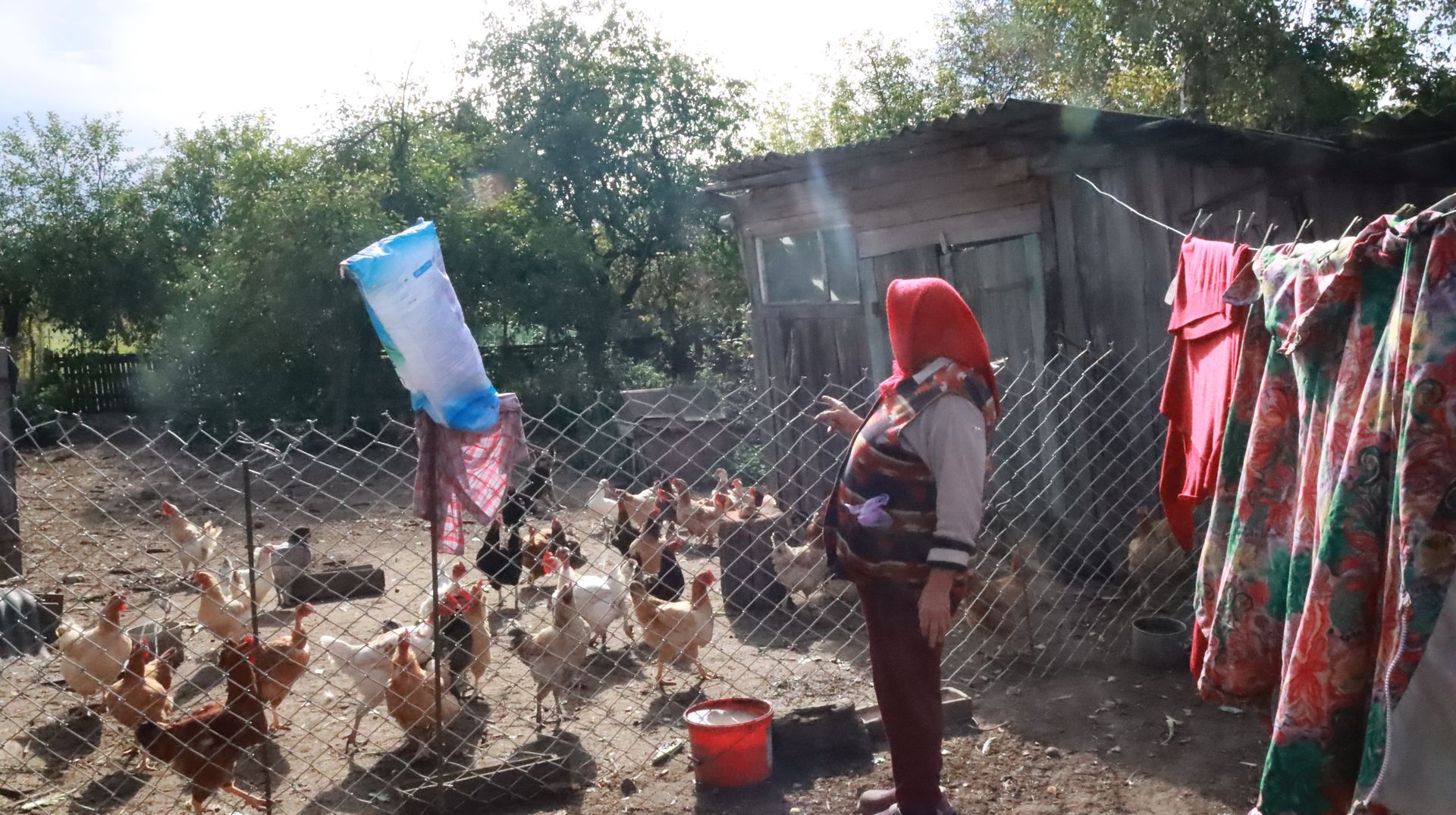
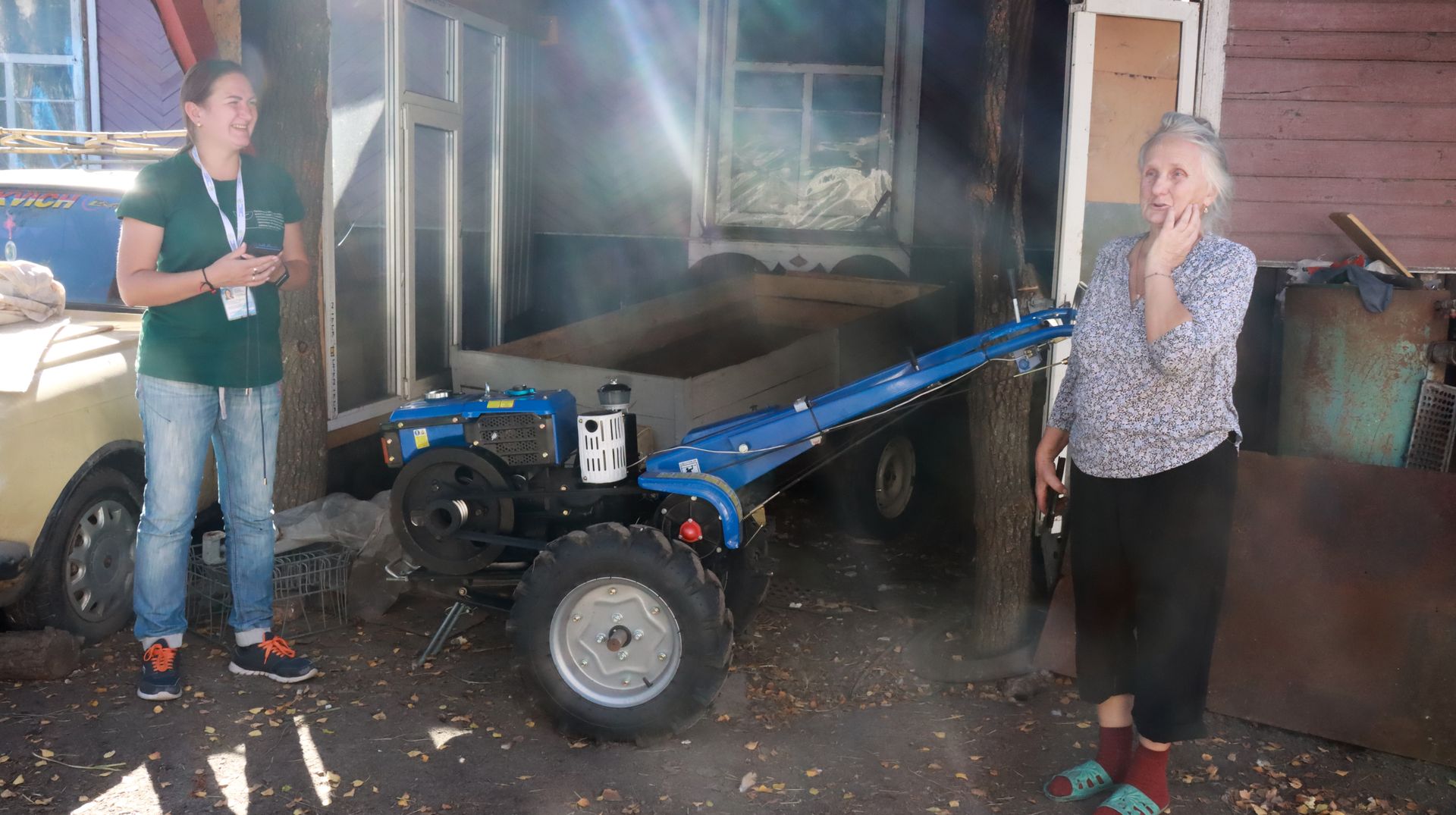
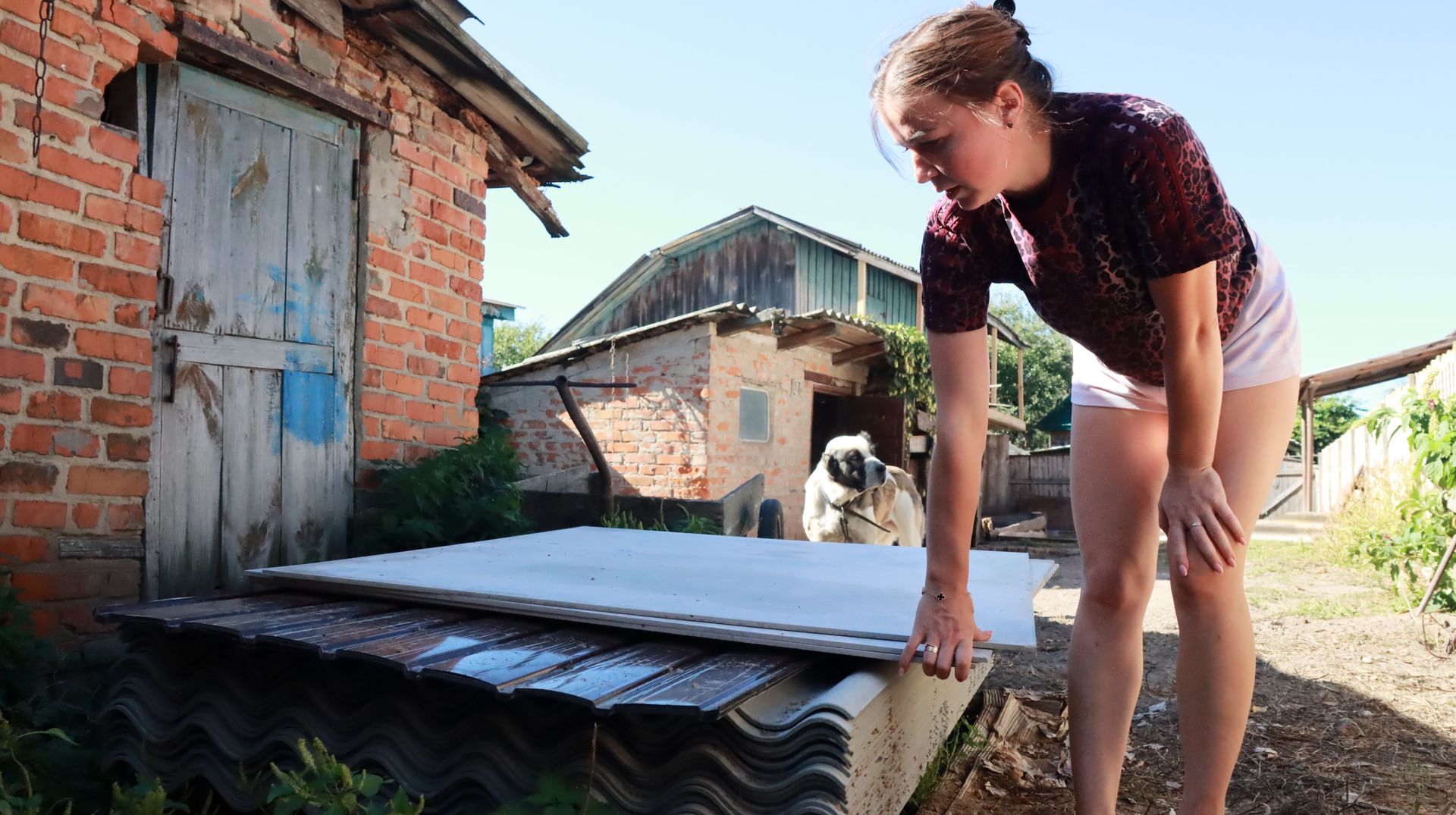
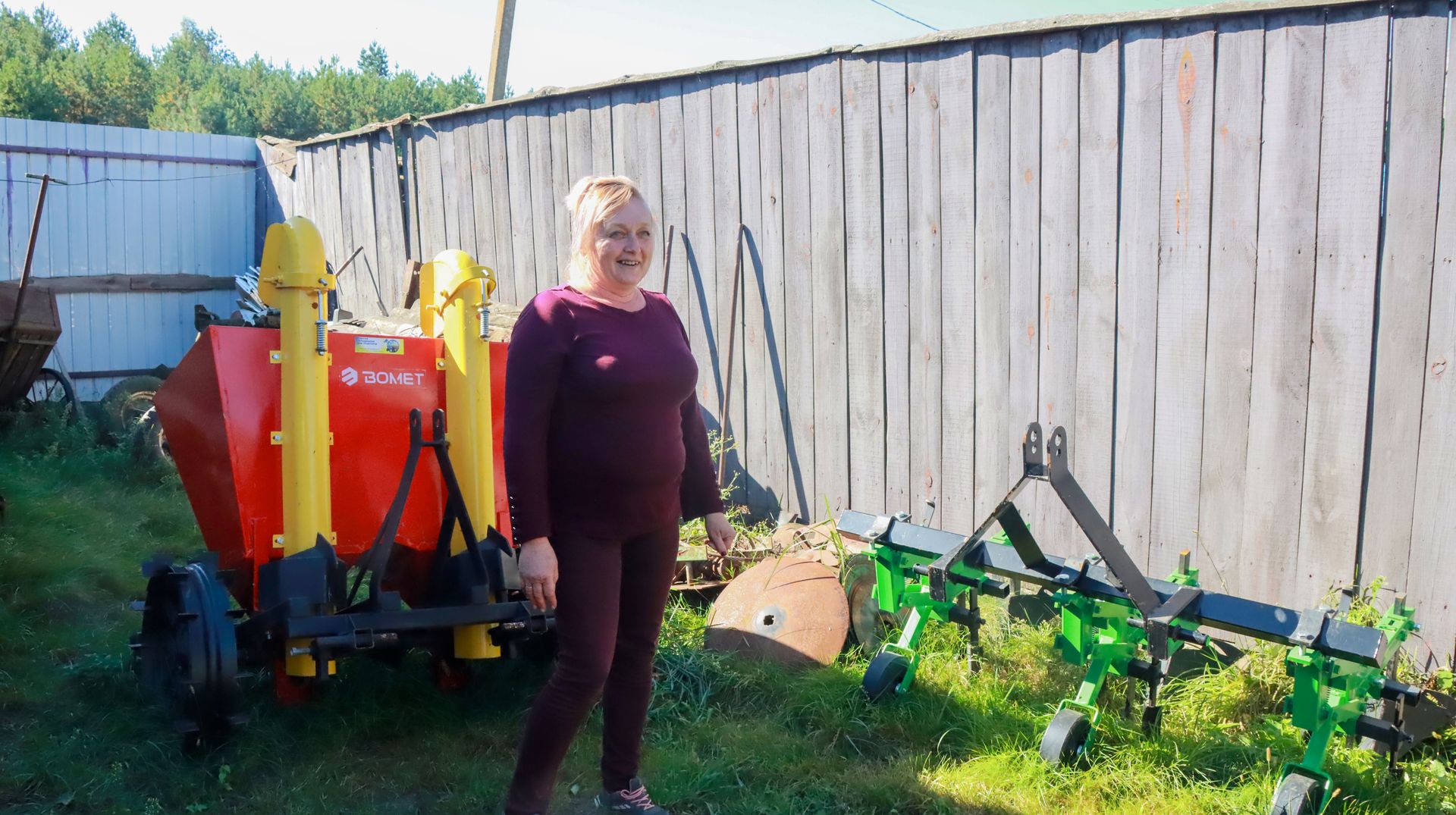
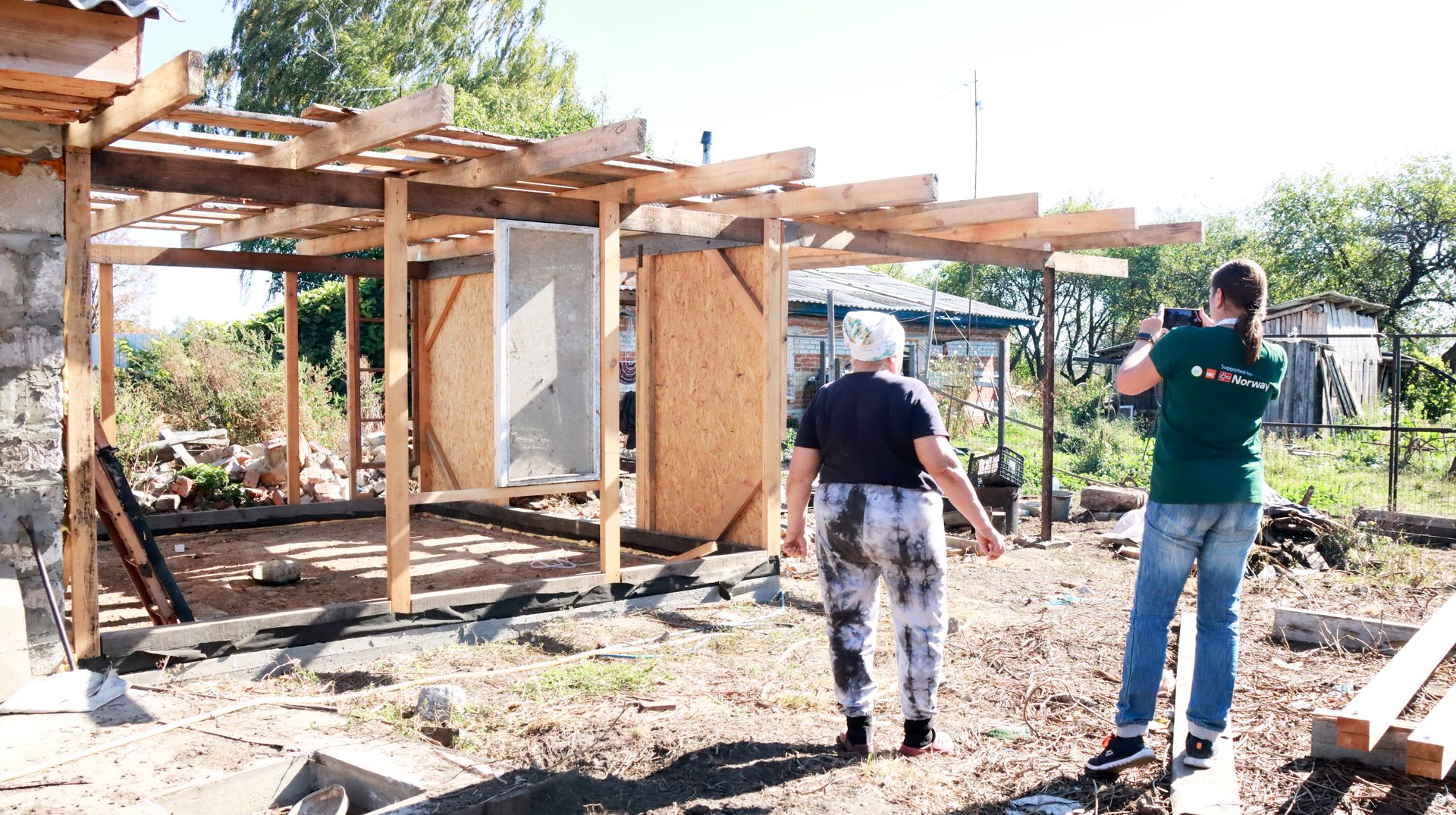
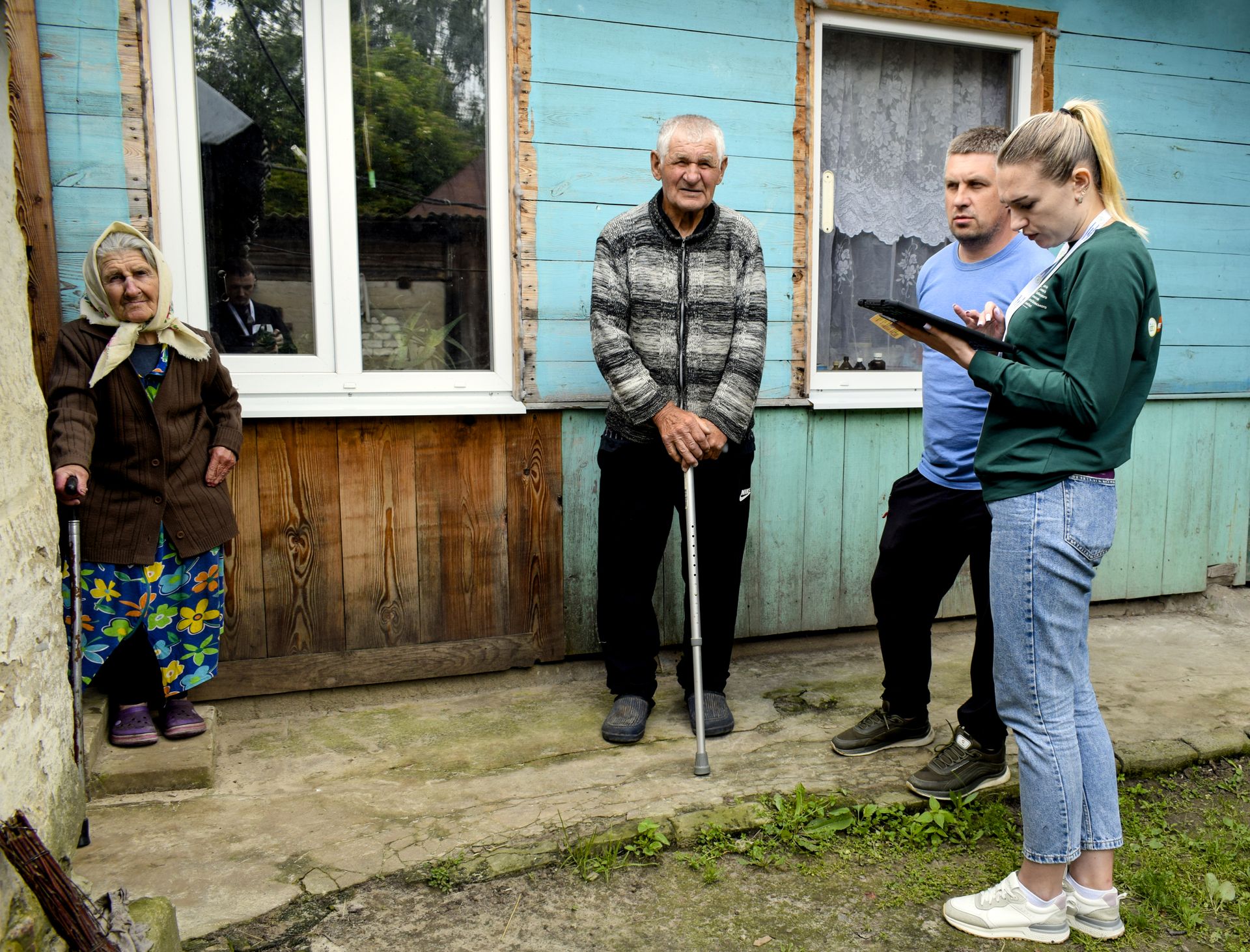
During monitoring visits to households, the organization's specialists and specialists were able to see how the funds were used, what equipment was purchased and how much it helps families in their daily work. Participants and project participants most often bought tools for working in the garden, tools for tillage, materials for arranging the farm, animal feed, equipment for processing products, fertilizers, garden equipment. People also bought farm animals: cows, pigs, ducks, geese. What was seen confirmed the main thing: support was truly targeted, necessary and effective.
"We have seen how purchased goods become part of people's daily lives: walk-behind tractors, planters, incubators, fodder and other agricultural equipment are already working for results. This is not a one-time purchase — is an investment in family stability. During the visits, we were told that we had long dreamed of a new inventory, but we could not afford such expenses before participating in the project. When people show new greenhouses treated with the new vegetable garden technique — are real recovery stories. The support gave them an impetus to move on, and we see how every hryvnia turns into real changes", said Iryna Kulyk, project manager.
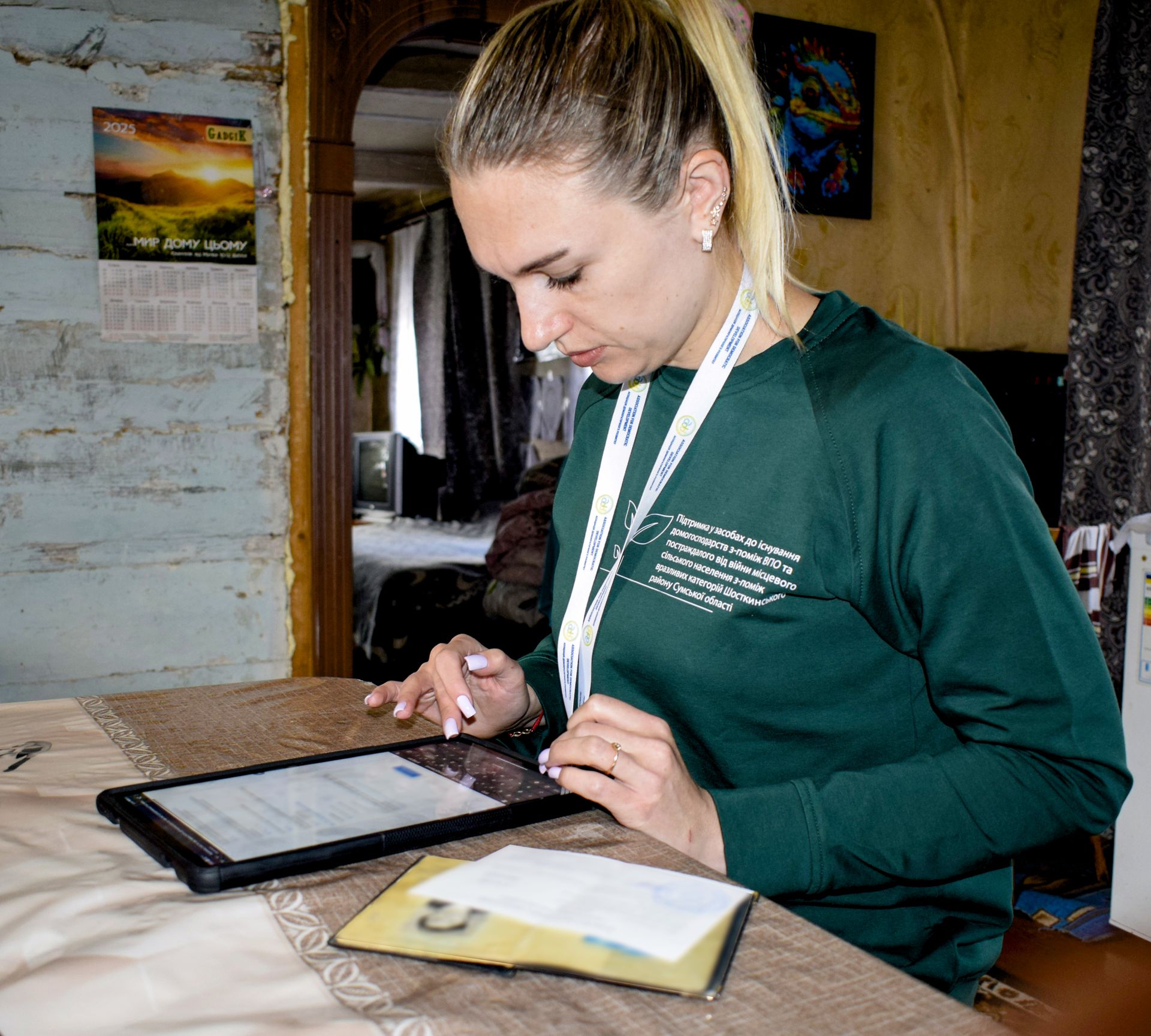
The project team also conducted a post-monitoring survey of households, which helped to assess the project's results and the overall impact on family well-being.
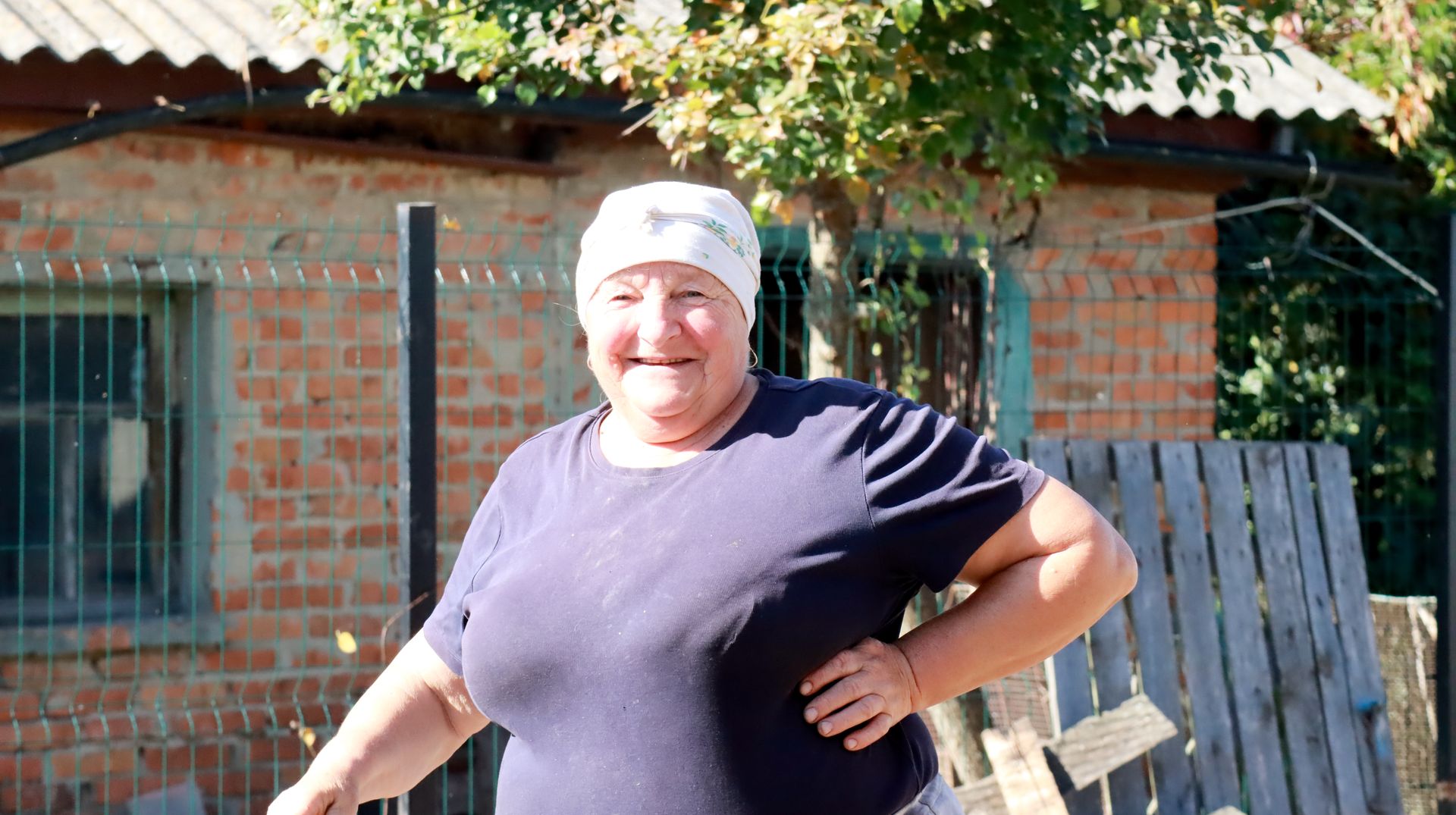
However, project participants speak directly about the success of the project. Your emotions and sincere words show how important this help became at the very moment when support was most needed.
Stories like Ms. Julia, Alina, Natalia, [1] — are not just pleasant emotions, but real evidence that helping changes lives. It gives people the strength to move forward, to restore their economy, to restore a sense of stability and confidence. Each participant and each participant of the — project is a separate story of resilience, care for the family and faith in the future.
The project proved that targeted support can become the basis for the economic recovery of families and communities.
The project is funded by the NGO "Association of Democratic Development" along with Norwegian Refugee Council (NRC) in Ukraineі with the support of Norway.
Follow the updates on our pages:
Сайт: https://ngo-add.org.ua/
Фейсбук: https://www.facebook.com/demokratrozvitok
Інстаграм: https://www.instagram.com/demrozvytok/