From April to December 2025, the team of the NGO "Association for Democratic Development" in partnership with the Norwegian Refugee Council (NRC) in Ukraine, with the support of the Federal Government of Germany, implemented the project "Assessment of agricultural markets and needs in the Shostky district and support in the livelihood of households from among IDPs and the war-affected local rural population from among vulnerable categories of the Shostky territorial community of the Sumy region".
This project was aimed at
identification of needs of displaced and war-affected households related to farming (crop and livestock),
market assessment and determination of value chains for the identification of key factors of agricultural development and obstacles faced by farms in the front-line territories of Shostky district,
meeting the most urgent needs of IDPs and the local rural population from among vulnerable categories in the Shostkin community.
That is, it was not only about help here and now, but also about creating a basis for more balanced, targeted and long-term solutions.
"The project consisted of two important parts. The first — is an assessment of agricultural markets and needs. It made it possible to identify the key factors of agricultural development and obstacles faced by small farms and local households, and also provided the basis for planning further targeted interventions in the Shostky district. The second — is the provision of targeted monetary assistance to households from among the most vulnerable categories. It was the combination of analytics and practical interventions within the framework of the project that made it possible to see the real picture in the communities of Shostky district and once again to make sure of the importance and need to provide support for the development of agriculture in the region", said Anna Nikolenko-Bayeva, head of the NGO "Association of Democratic Development".
Deep research instead of assumptions
Work on the assessment of agricultural markets and needs in the Shostky district began with the development of a detailed methodology, the definition of assessment tools and the drawing up of a work plan.
During the implementation of the project, the team held working meetings with key stakeholders, namely representatives of the NRC, the leadership and representatives of specialized structures of the Shostky district state administration and territorial communities of the Shostky district of the Sumy region. Such meetings made it possible not only to present the goals of the project, but also to build a working dialogue, without which further analytical work would be impossible. The next step was to conduct a desk analysis of the state of agriculture, food security and livelihoods in Shostky district. This made it possible, through the analysis of information from open sources and information requests to local authorities, to better understand how the war affected agricultural markets, logistics, access to resources and food security of the region.
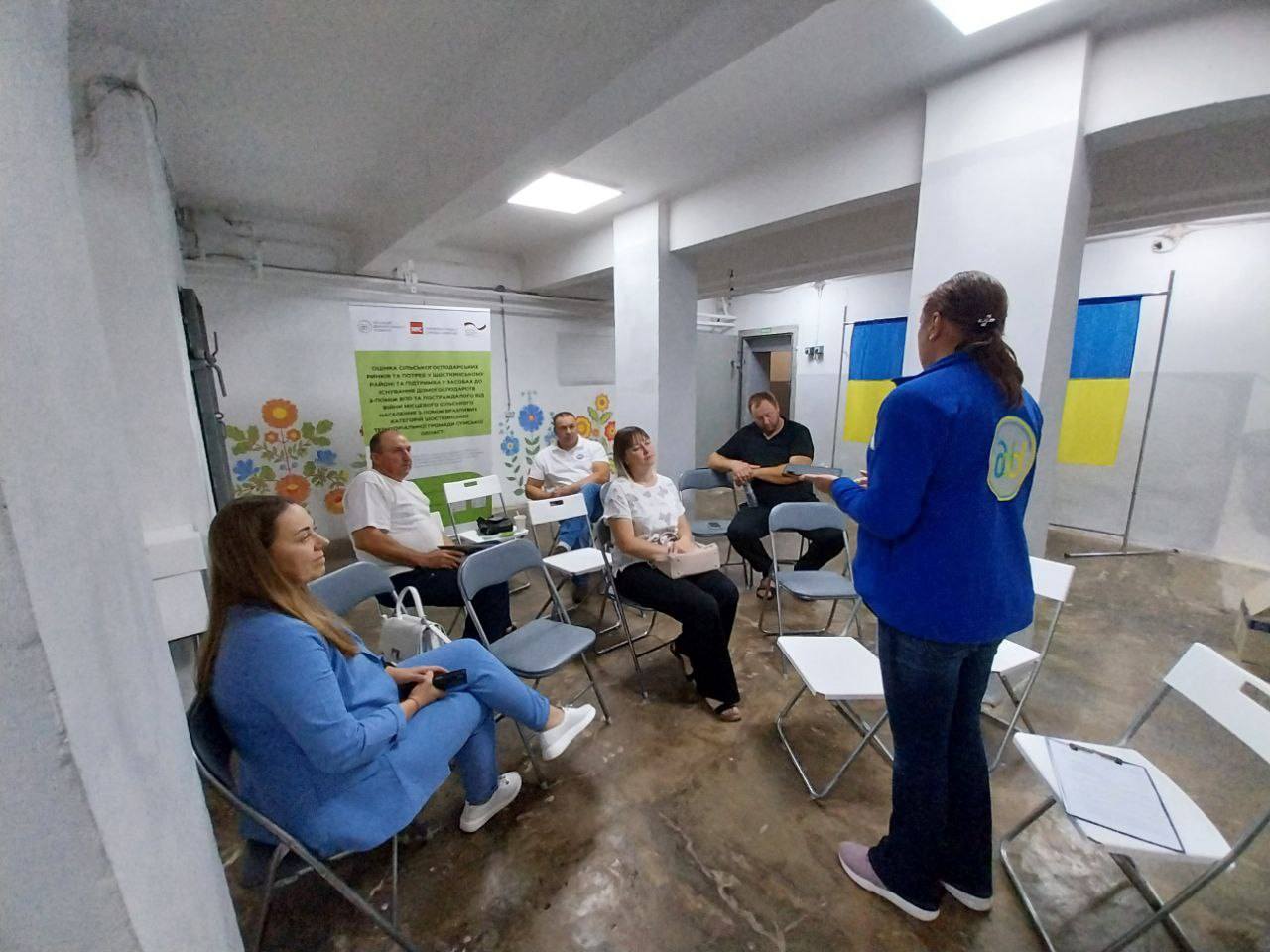
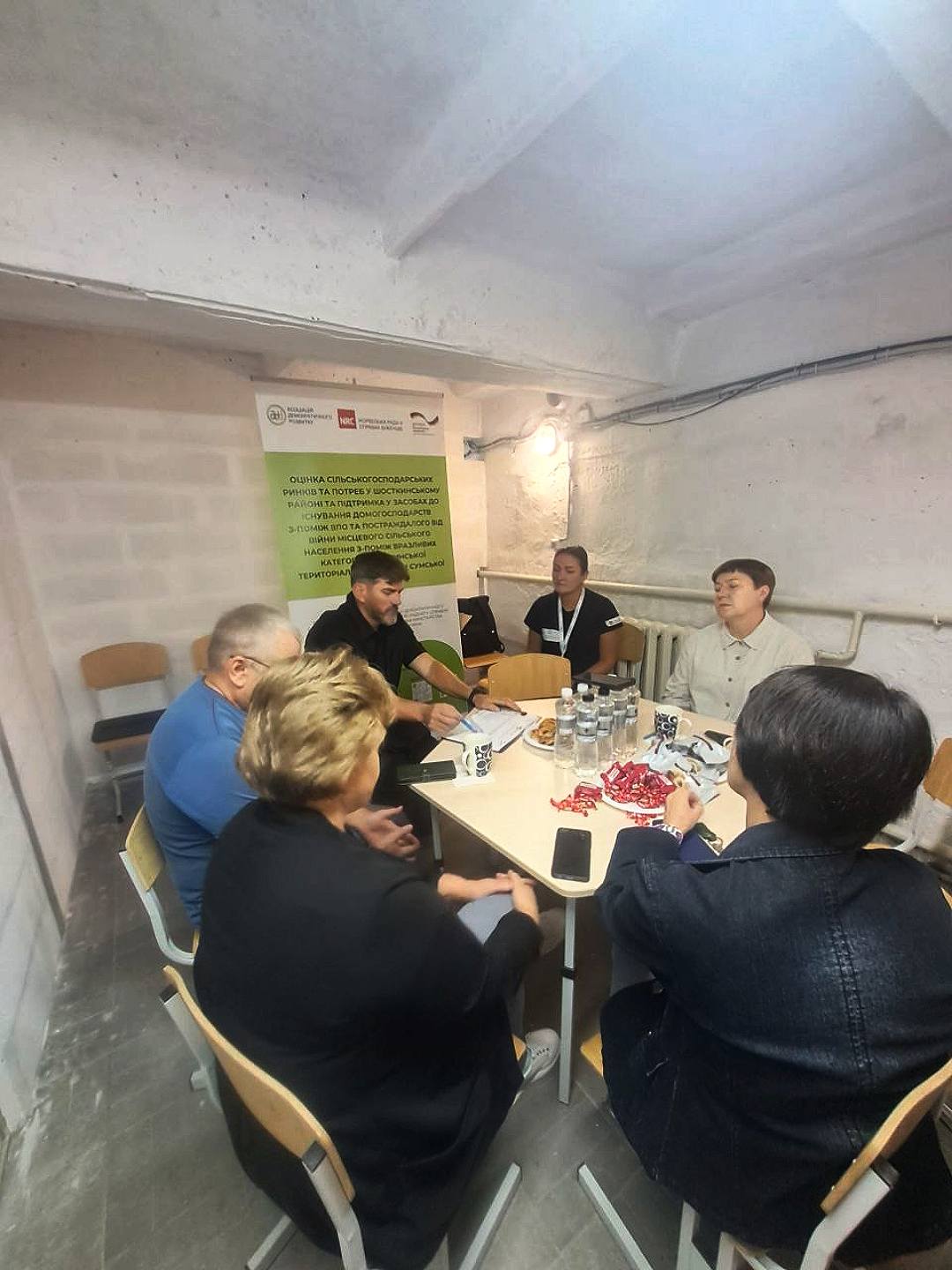
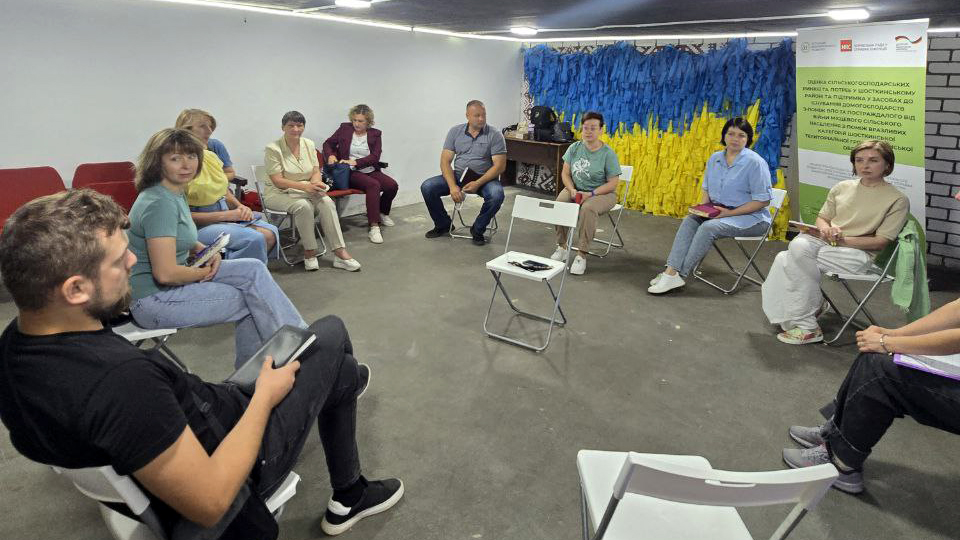
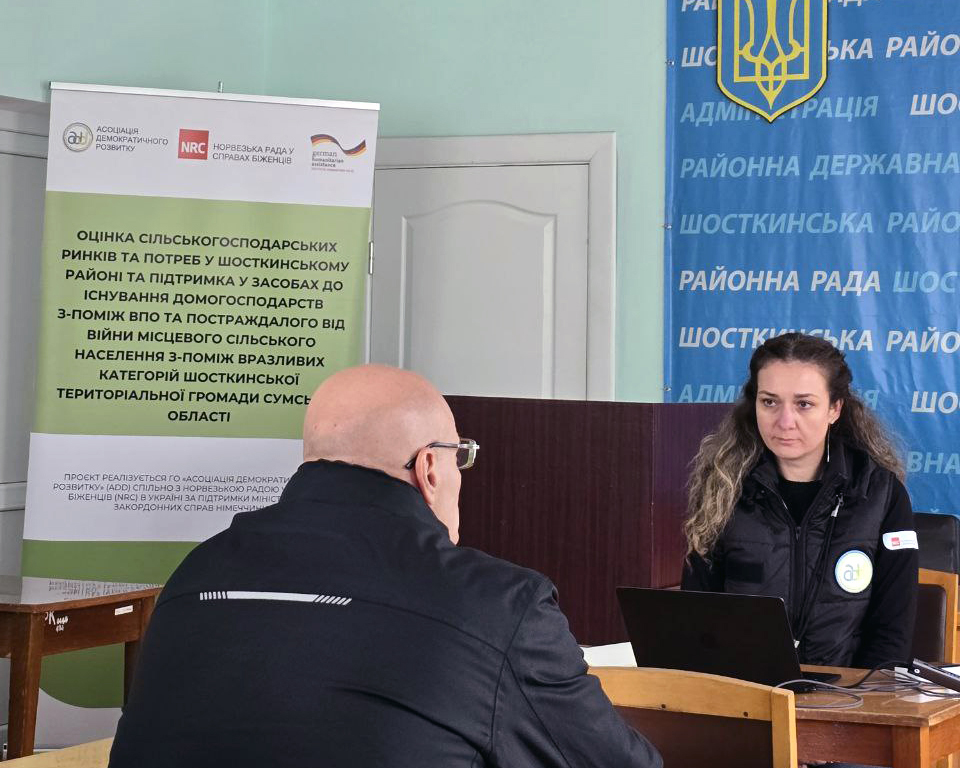
An important element of the assessment was the holding of eight focus group discussions in the Shostky, Yampil, Glukhiv and Bereziv territorial communities of the Shostky district. Participants from among representatives of local self-government bodies, small farms and agricultural enterprises spoke about restrictions on access to land due to military operations, mining and pollution, loss of crops, damage and destruction of agricultural machinery and premises, problems with the sale of products due to complicated logistics, etc. And also, they discussed possible ways to solve problems and the need to support the agricultural direction.
"It was fundamentally important for us to hear people directly through their experiences, not just through the numbers in the questionnaires. Such studies show where help is really needed and what it should be", — was told by specialists of the Democratic Development Association team.
Fifteen individual interviews were also conducted with key informants, namely representatives of: agribusiness; authorities at various levels; and international and national non-governmental organizations. With the help of interviews, the level of impact of the war on agriculture, difficulties and adaptation strategies used, as well as possible prospects for the recovery of the agricultural sector of the Shostky district were revealed.
In addition, there were conducted surveys of war-affected households on the context of agriculture, food security and livelihoods through an online questionnaire.
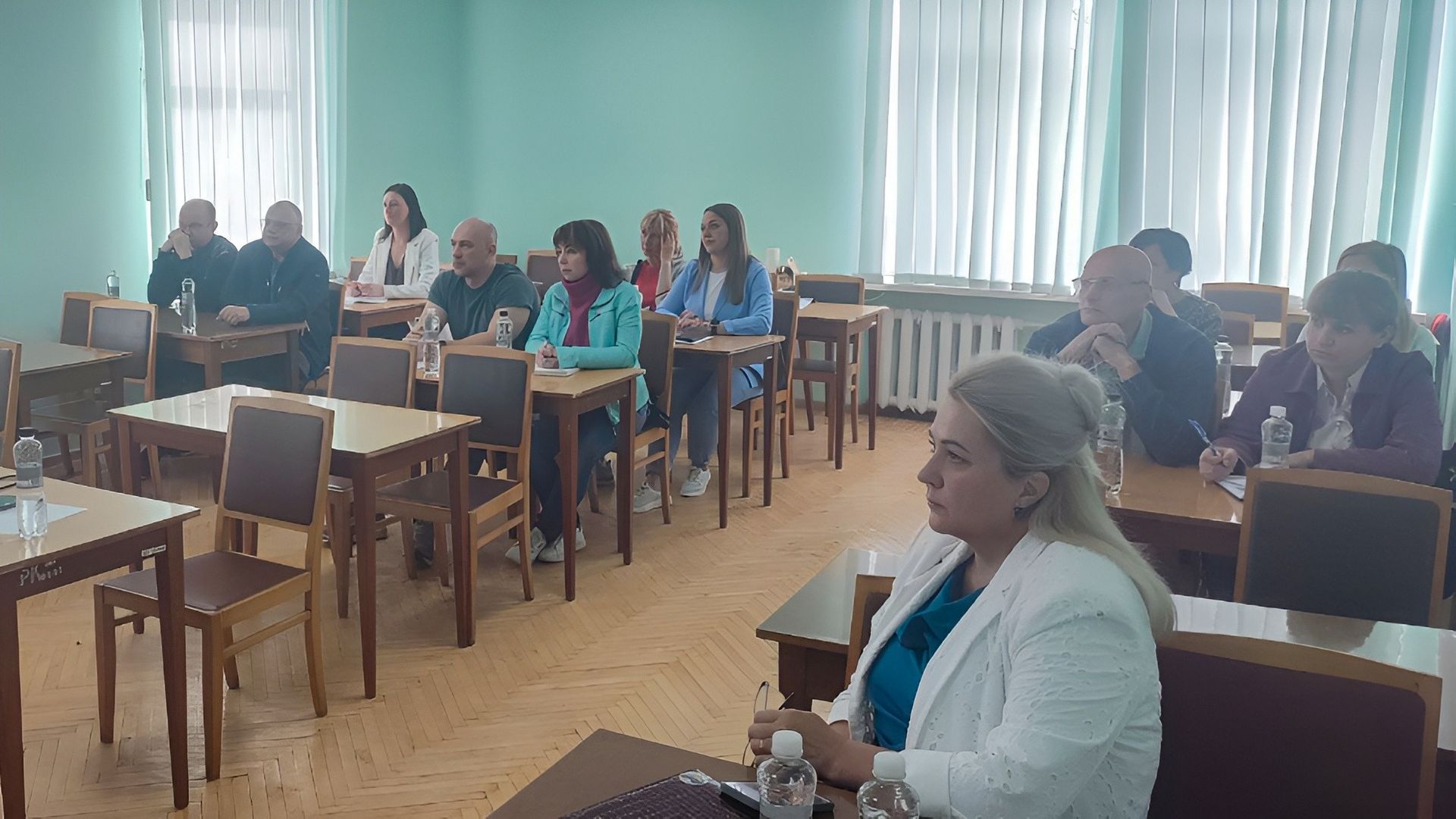
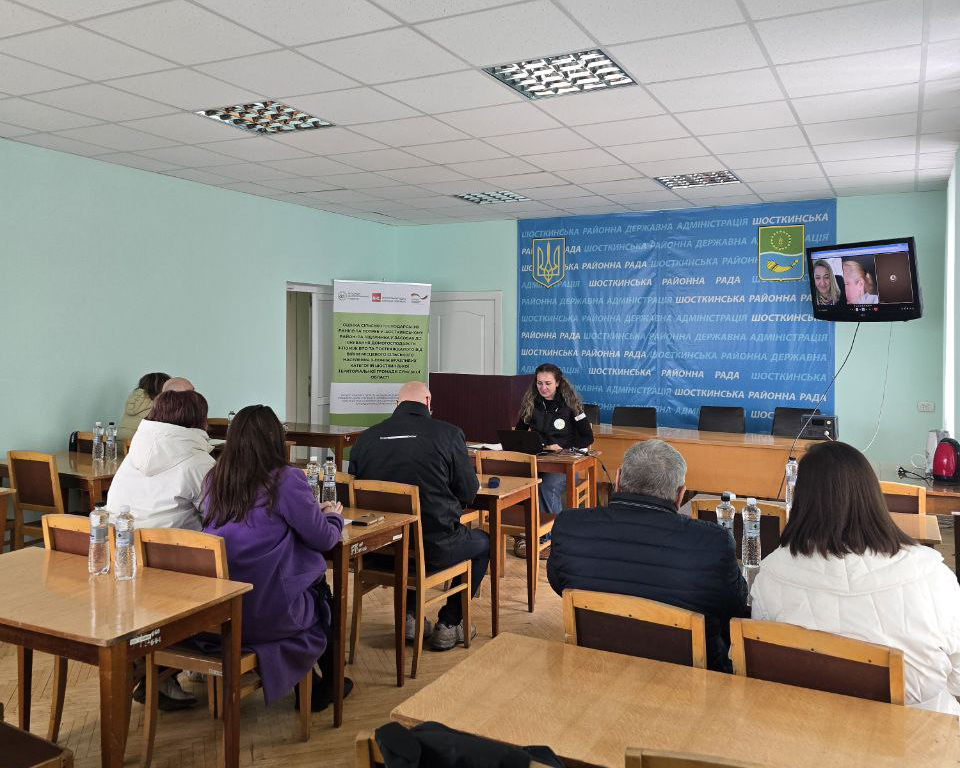
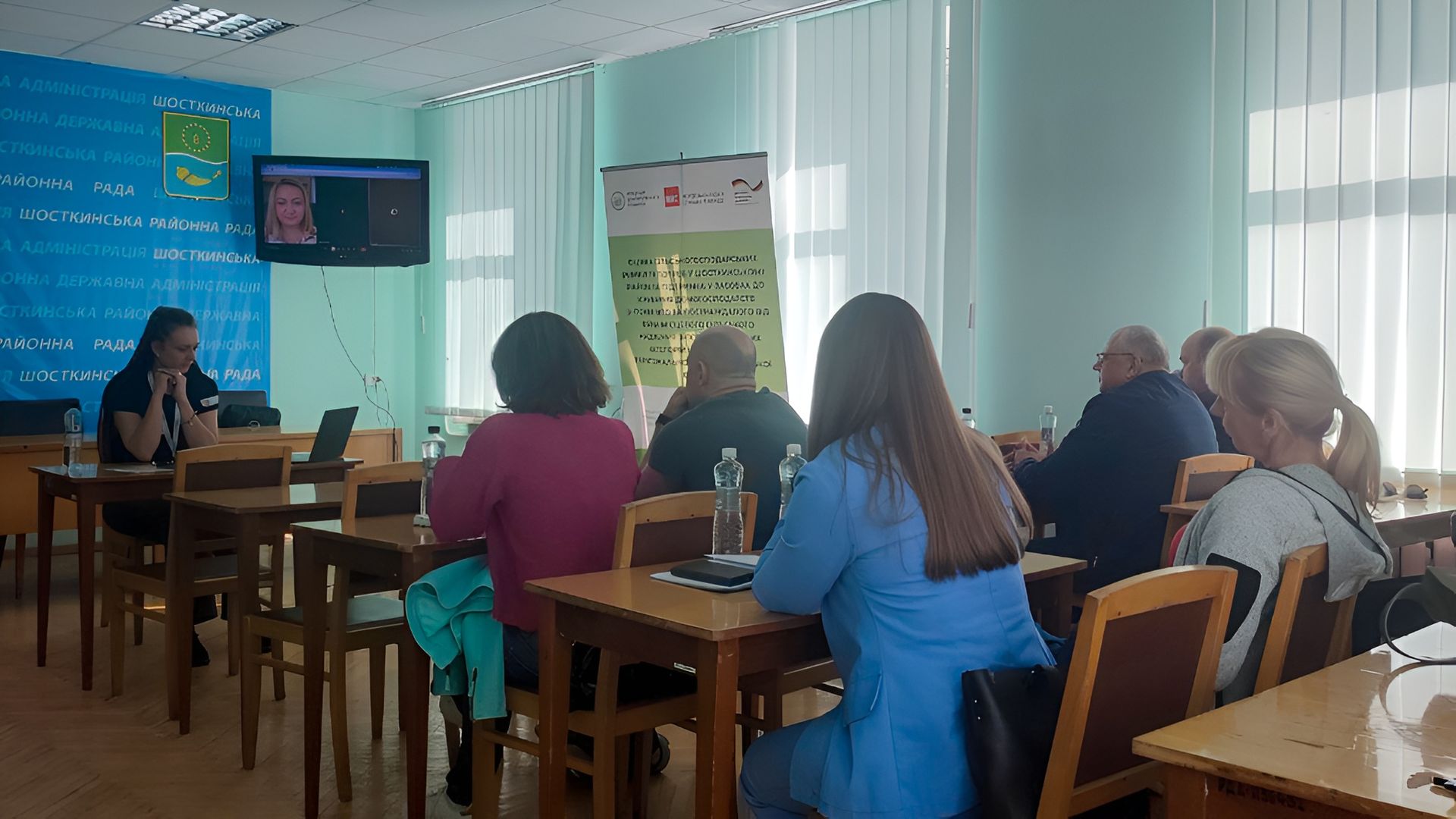
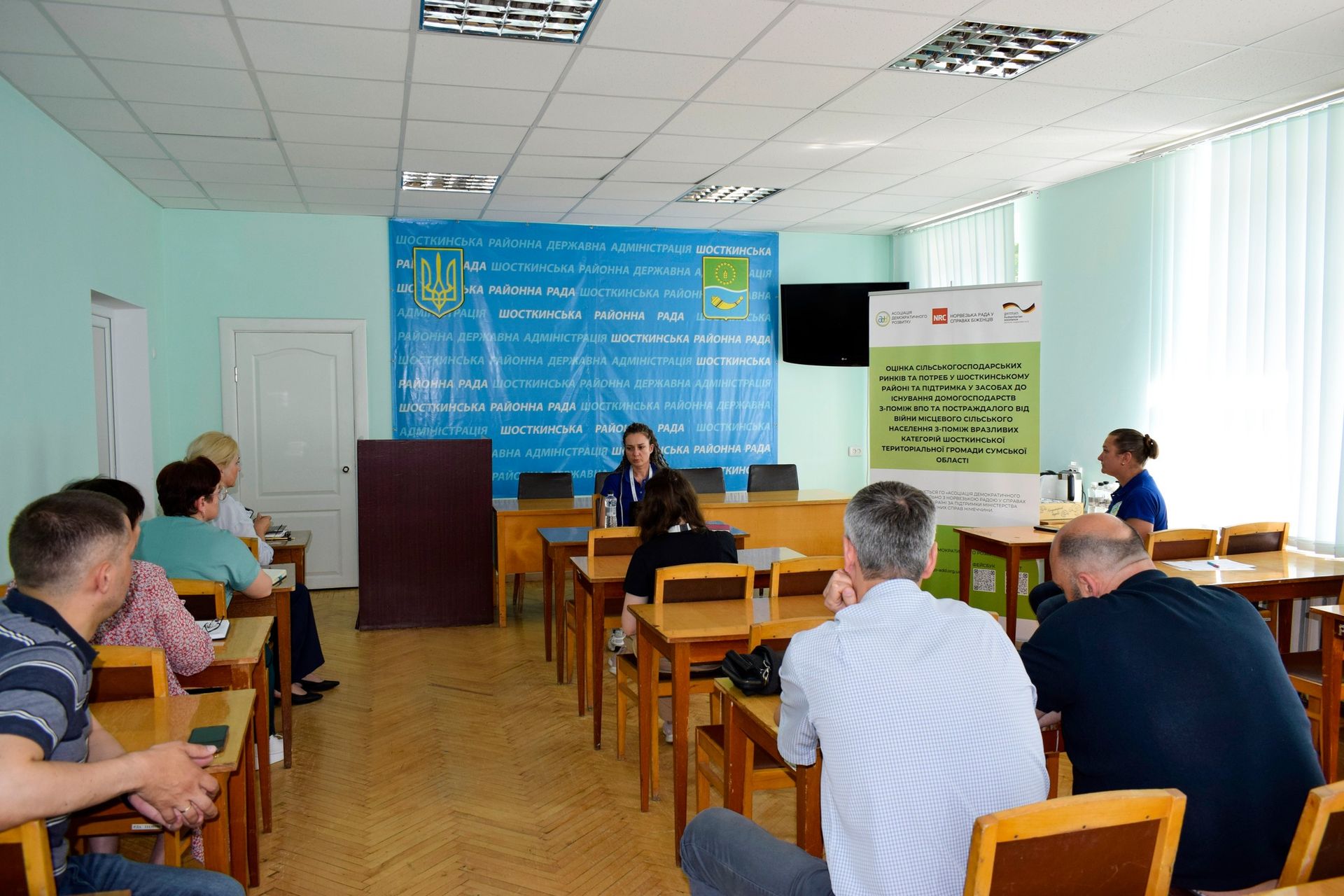
The data collected as part of the assessment of agricultural markets and needs were analyzed and presented at a validation meeting with interested parties. During the discussion in the Shostkin RDA, the participants confirmed the relevance of the conclusions and agreed on the key priorities that formed the basis of the final analytical report
Analytics as a tool for solutions
The final report was the logical conclusion of the research part of the project and was presented in October 2025 during a meeting with representatives of the NRC, the leadership and representatives of specialized structures of the Shostky district state administration and territorial communities of the Shostky district of the Sumy region. The report contained a summary of the main conclusions, identified problems, potential opportunities and realistic recommendations for the implementation of targeted assistance programs in the Shostky district.
"Such research allows us to see the specific needs of communities. This is important both for aid planning and for further cooperation with donors", emphasized Iryna Kulyk, project manager.
From — analysis to household support
The second component of the project was aimed at practical support — for the provision of targeted monetary assistance to 215 households from among IDPs and the local population that uses the land for agriculture.
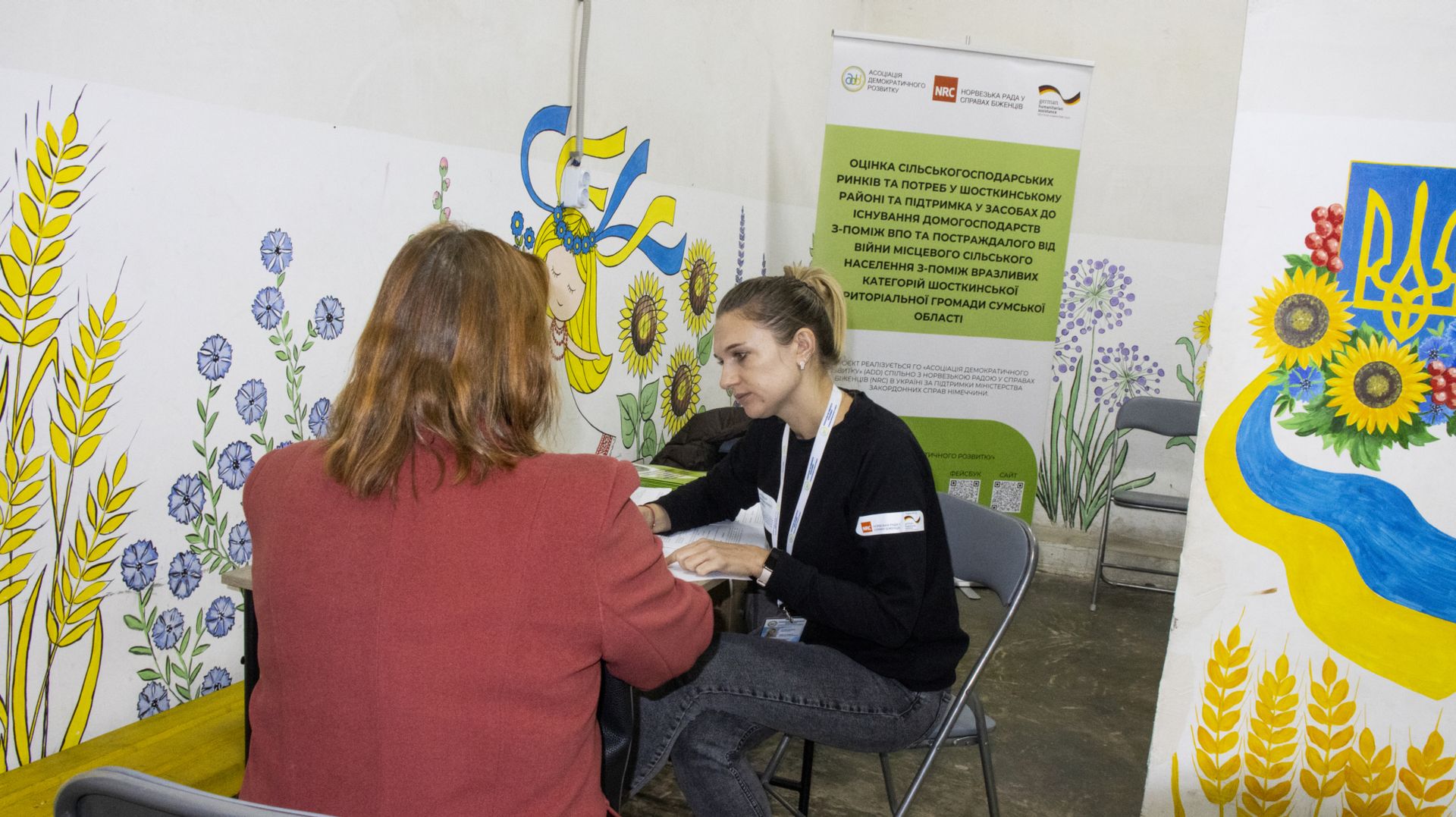
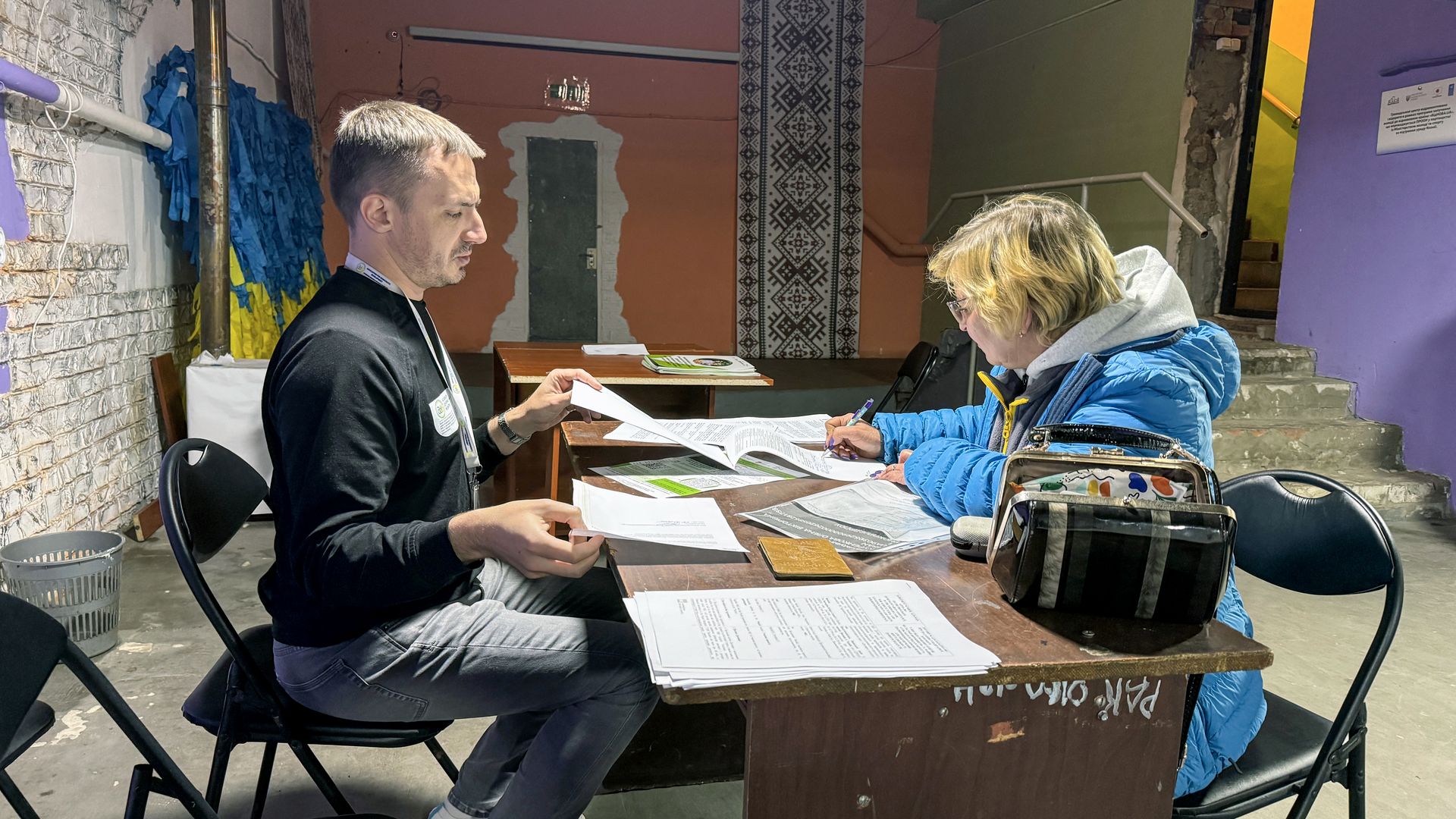
Information about the project and a link to the registration form for receiving cash assistance were distributed through Shostkin city and Yampil settlement councils, starostats, social services, local NGOs, as well as groups in messengers. The process of selecting project participants included several stages. The first was the online registration stage, after which a preliminary list of potential project participants was formed using the NRC evaluation matrix and handed over to ADD specialists for further online and offline verification. That is, some of the potential project participants were visited by specialists at their place of residence in order to check the information obtained as a result of registration.
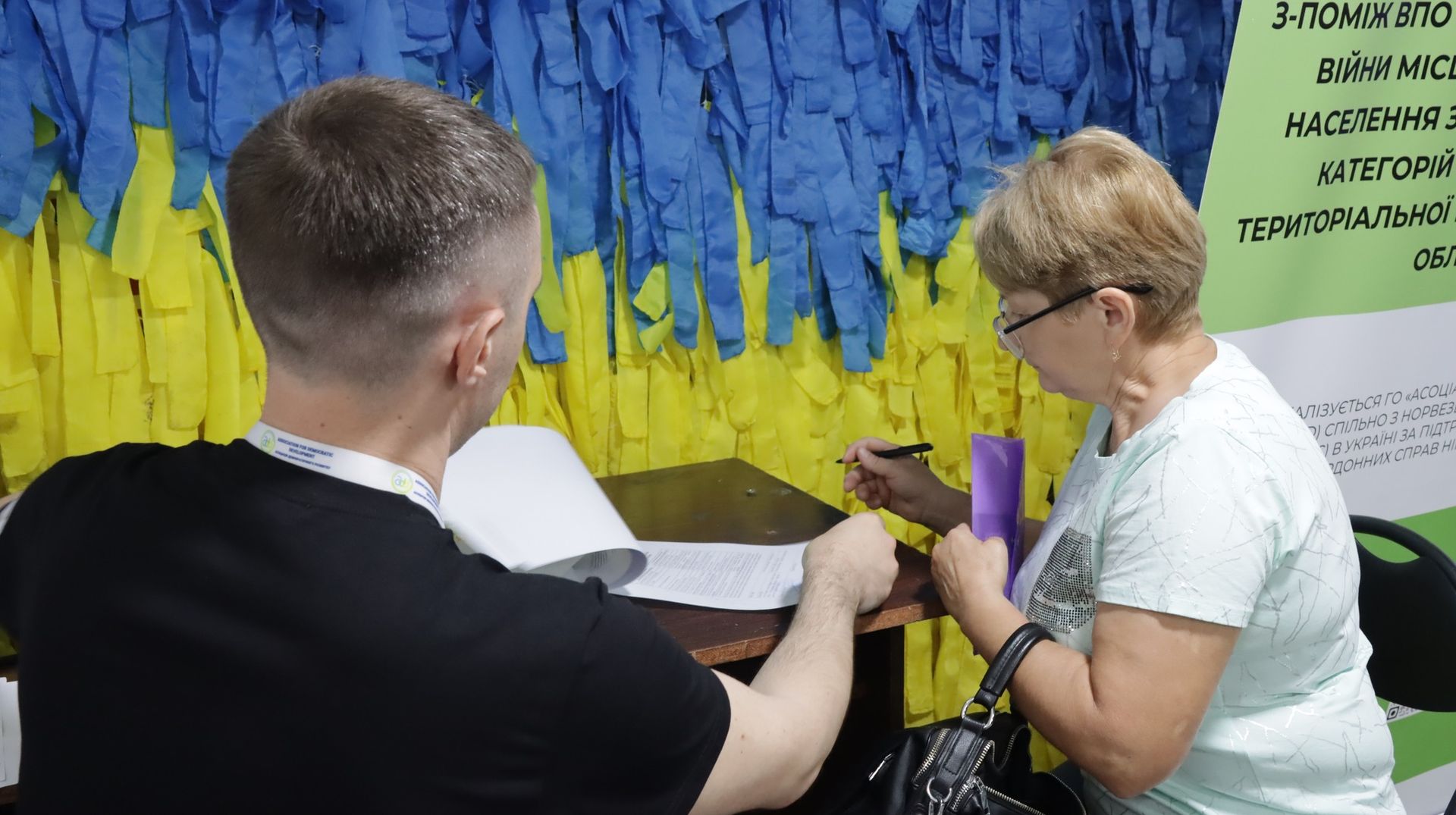
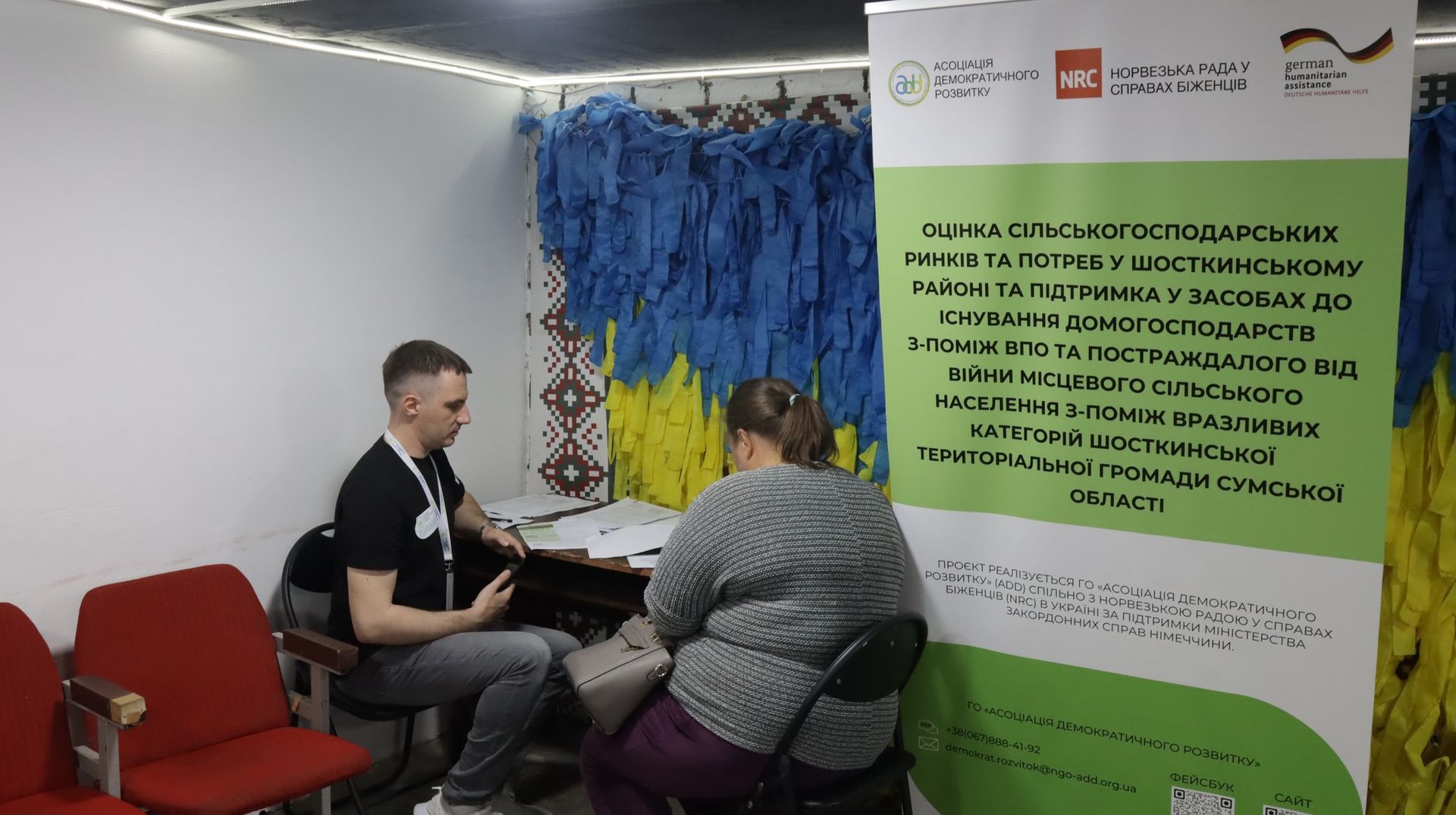
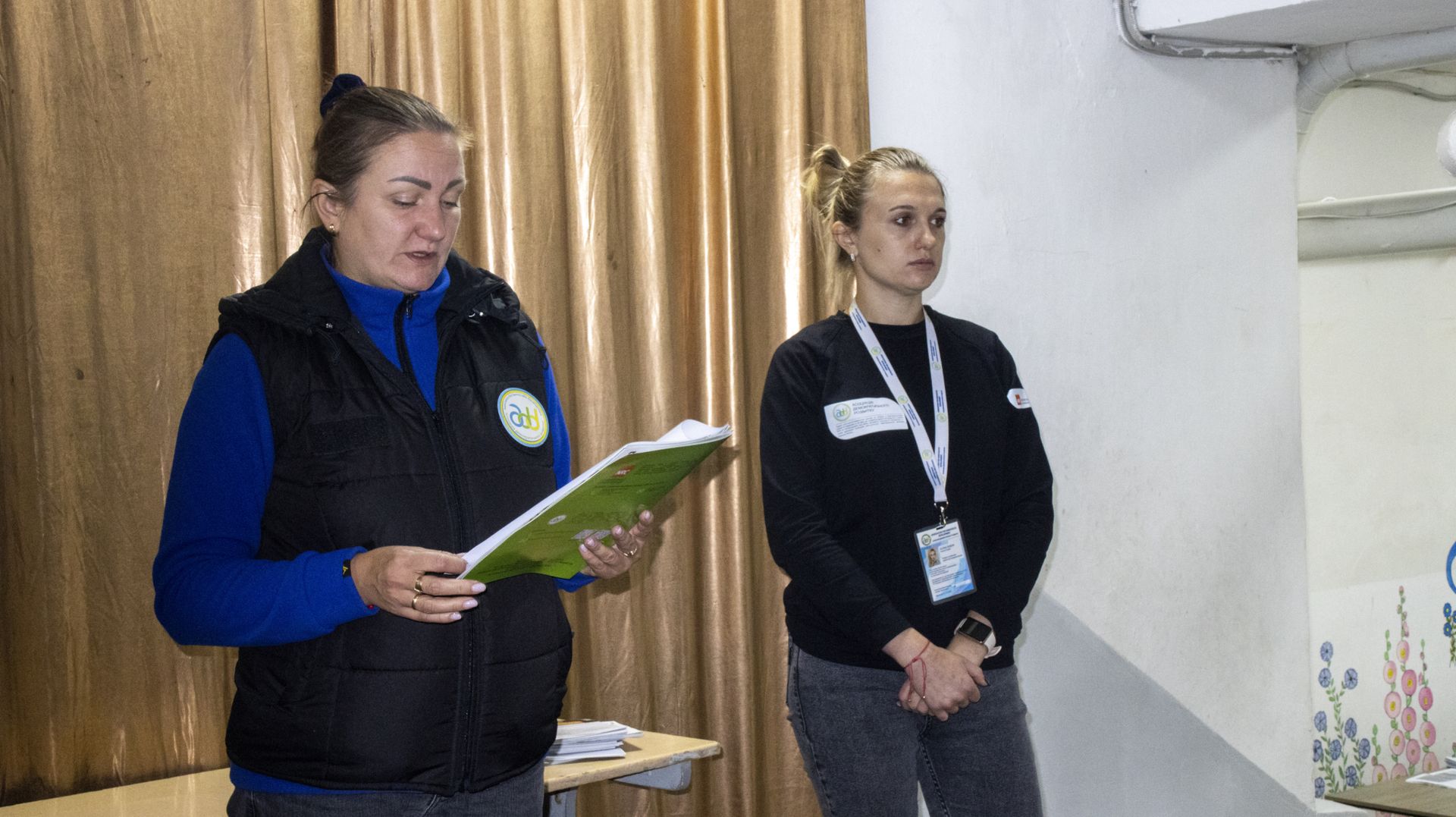
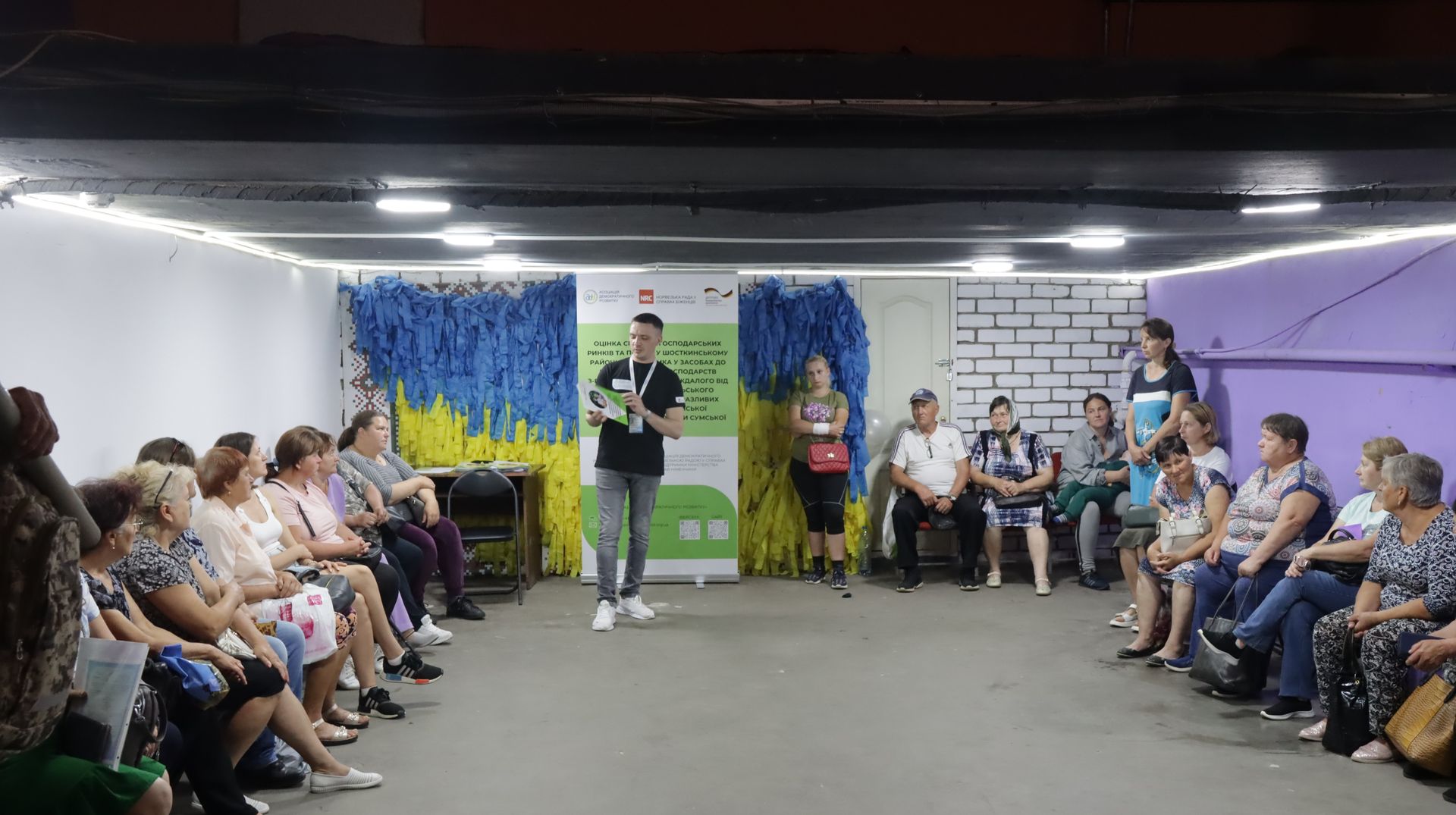
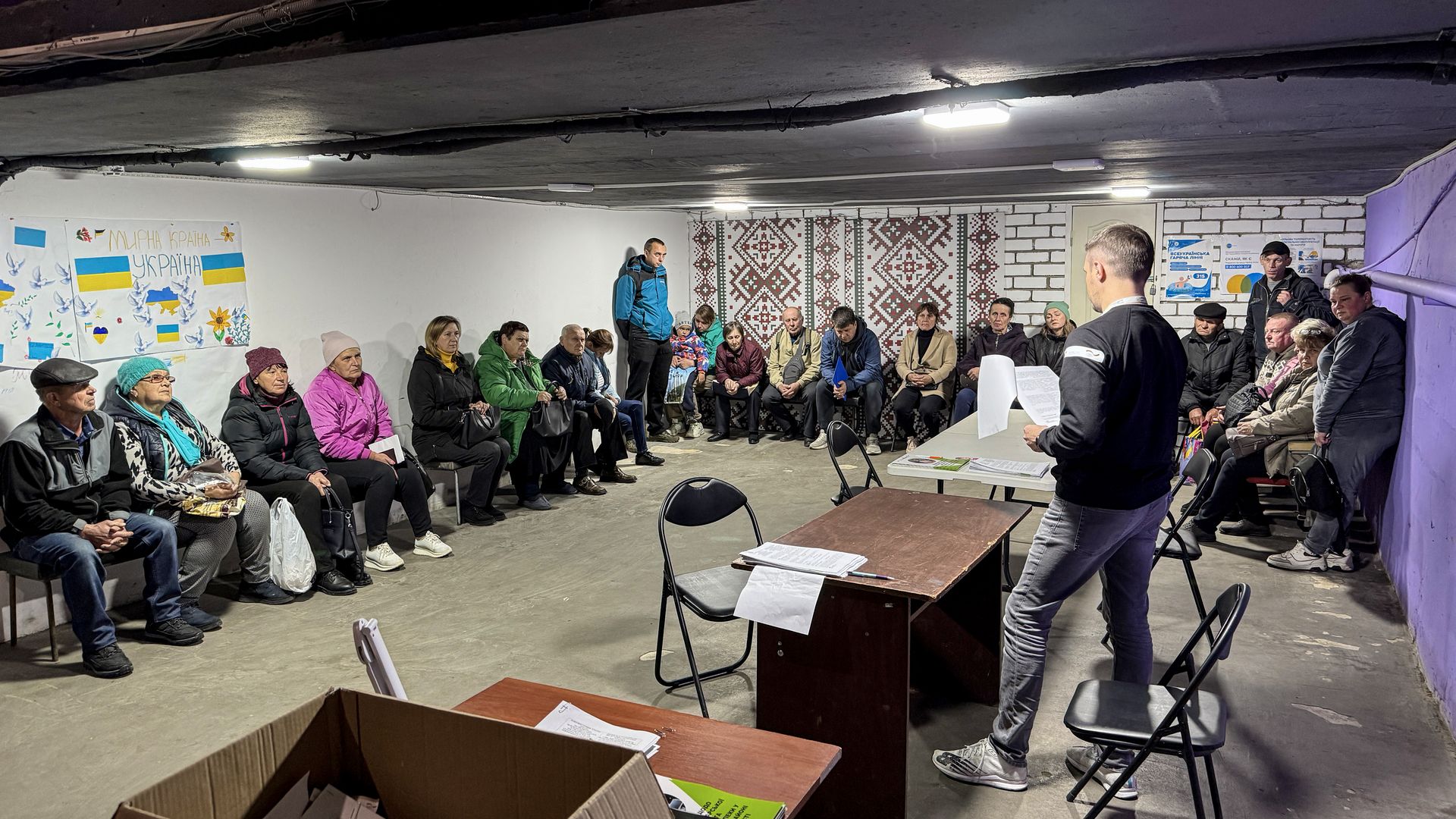
The signing of agreements with project participants took place directly in communities, in premises with shelters and taking into account the security situation. Before concluding agreements, the project team held information sessions where they explained in detail the conditions of use of funds, reporting requirements and answered questions from project participants.
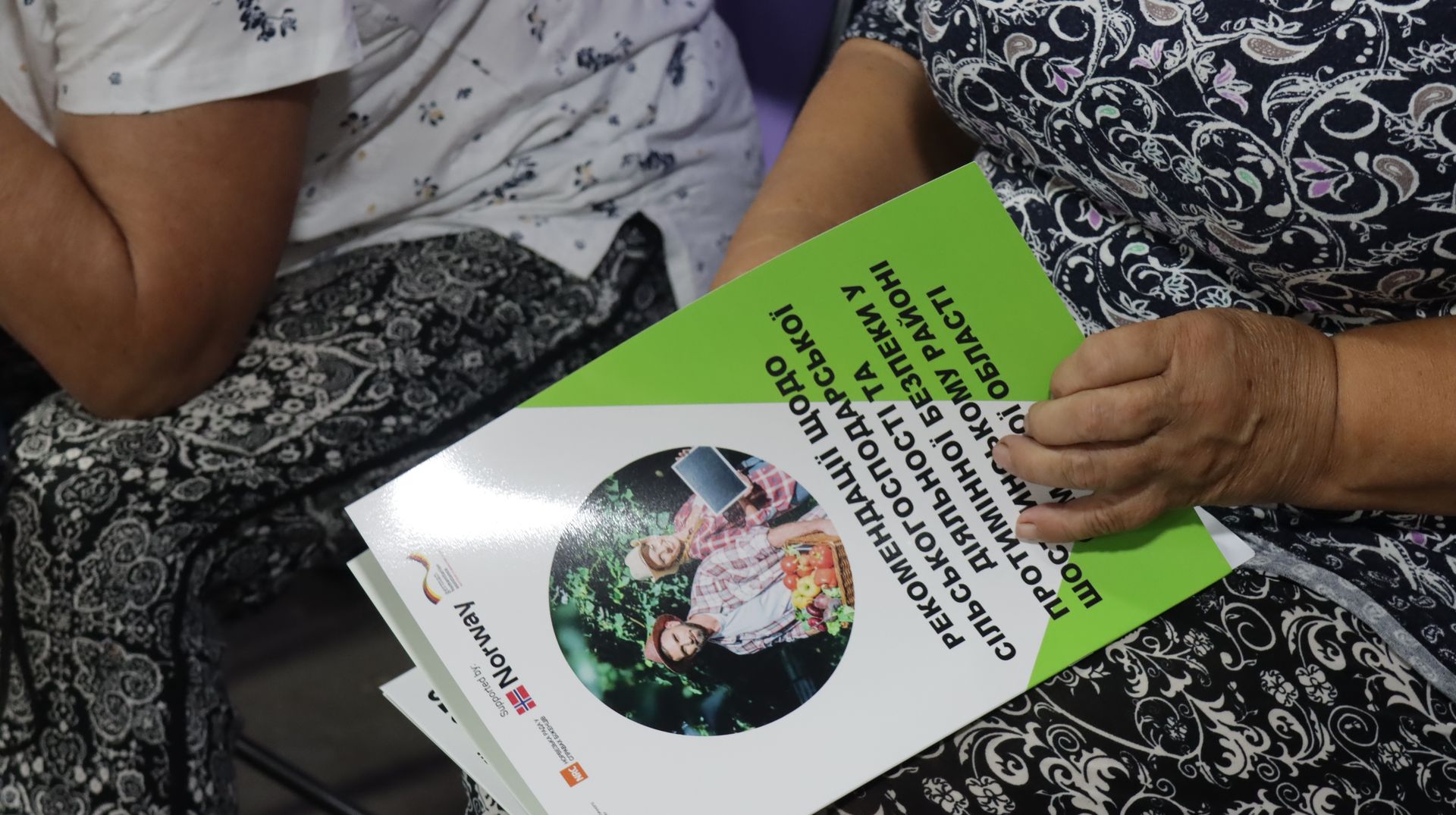
Particular attention was paid to information materials during information sessions. Households received feedback leaflets with ADD and NRC contacts containing information on the mechanism for submitting appeals, complaints and suggestions. In addition, project participants were presented and provided with brochures with advice on farming and mine safety rules. "We wanted people not only to receive funds, but also to have practical knowledge that would help avoid risks and better plan work on the ground", added Nataliya Apanasko, —Project Livehoods Officer.
Monitoring and real change
After transferring the funds to the project participants, the team of the NGO "Association for Democratic Development" through various communication channels communicated with the project participants regarding the provision of reporting on their purchases.
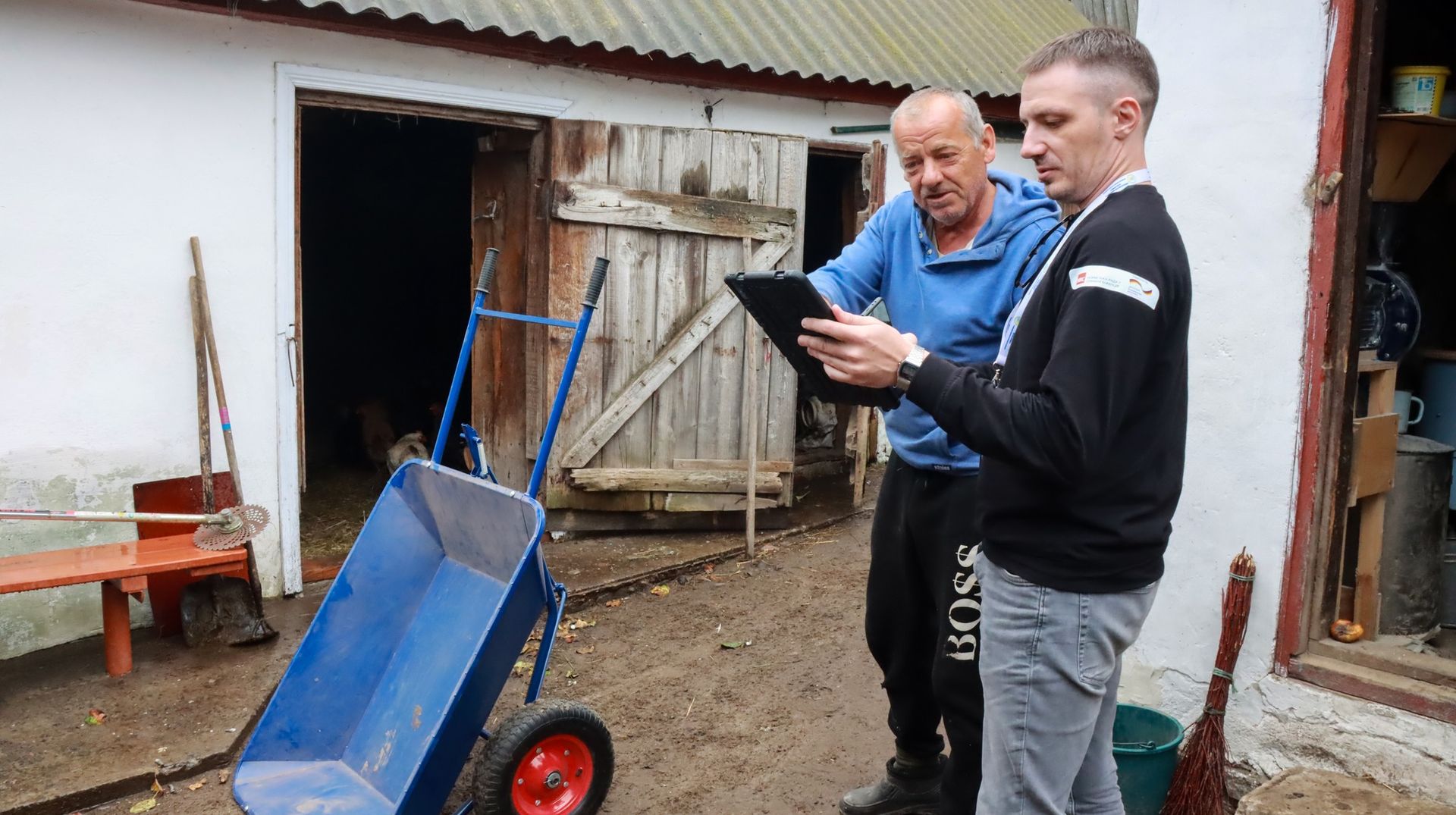
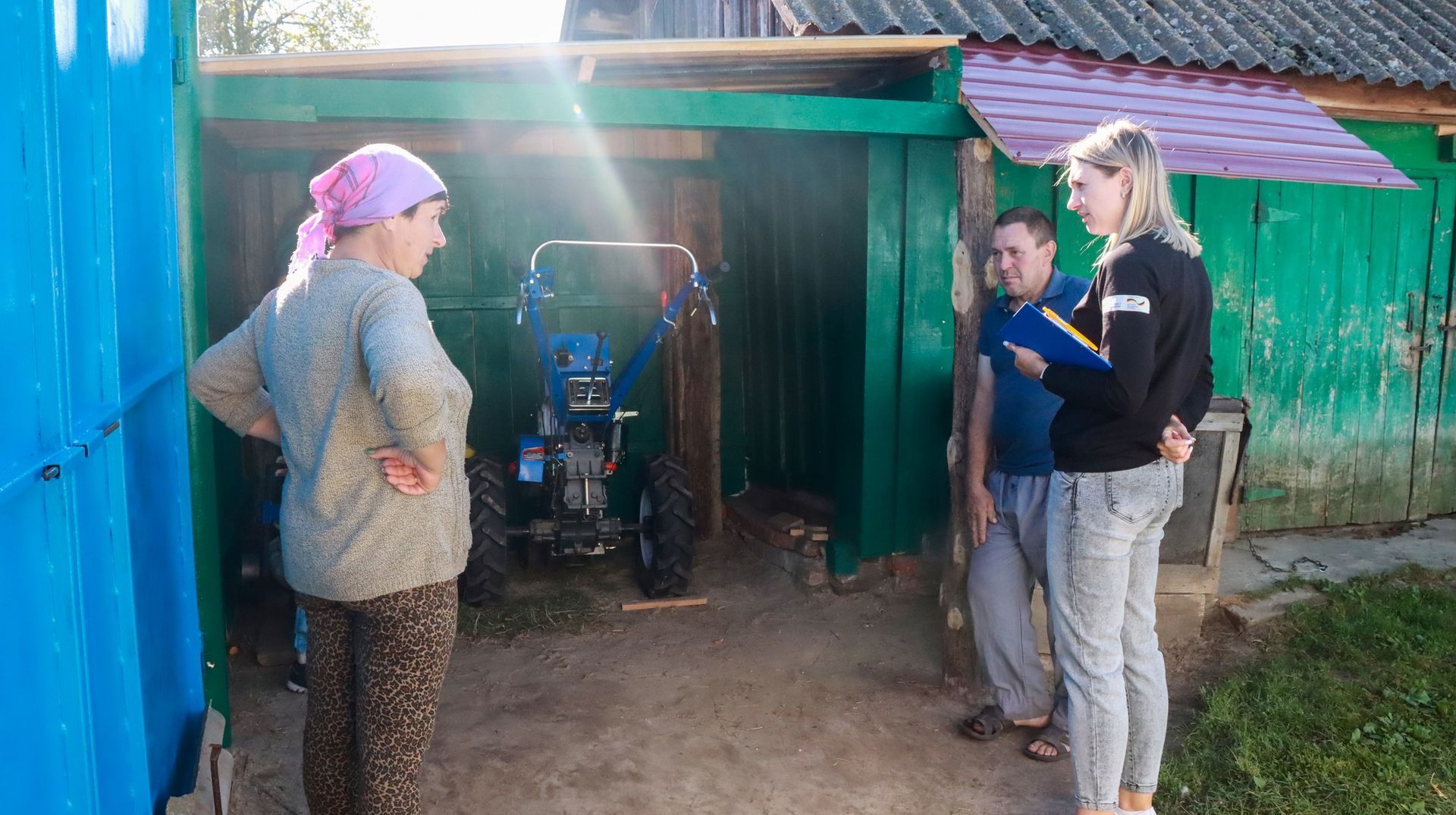
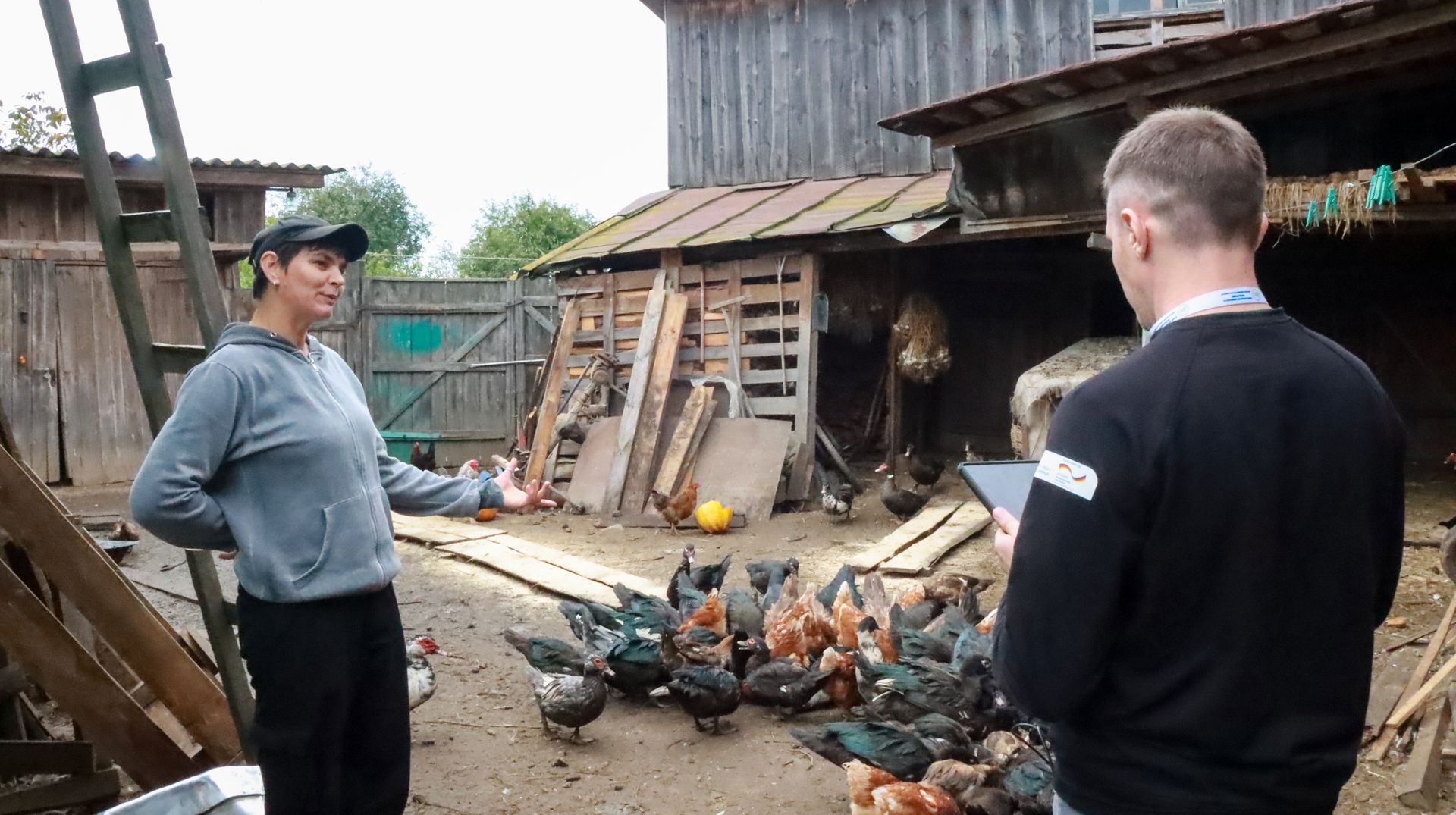
The next stage was the organization of monitoring visits to households by specialists. This made it possible to assess the effectiveness of the use of funds by project participants, identify the problems they faced and determine the impact of the received assistance.
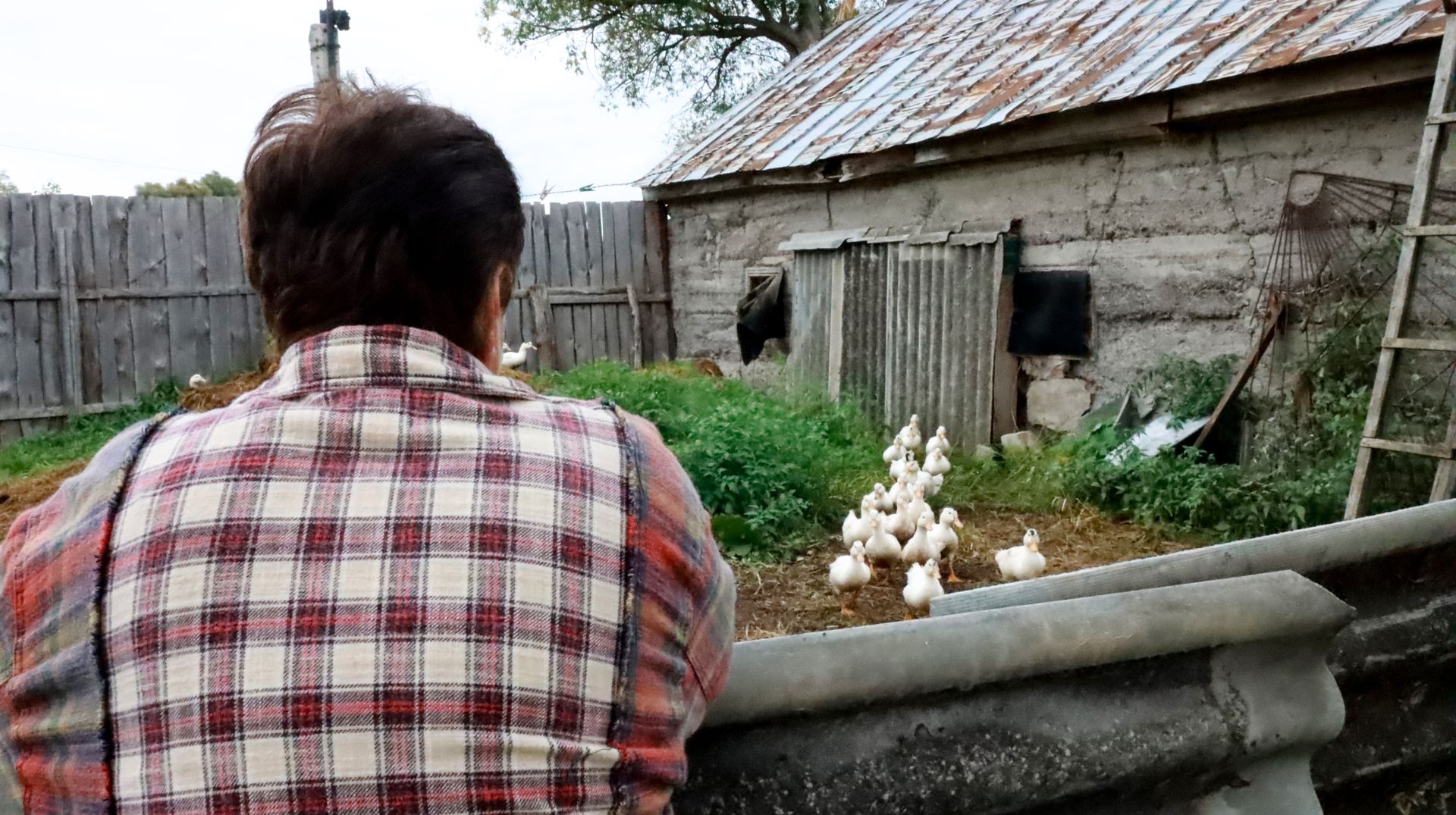
People bought garden equipment, walk-behind tractors, poultry and animals, fodder for livestock, materials for arranging the farm, equipment for processing products, etc. For many, it was an opportunity to restore what was lost due to the war and take a step towards more stable farming and self-sufficiency.
During the monitoring visits, specialists communicated with project participants, inspected the purchased equipment, farm conditions and collected feedback on how exactly the support affected the daily life of families. It was during this period that individual personal stories — are alive, real, honest were recorded.
These stories formed the basis of a series of success stories that allow you to see the project not only through numbers and reports, but also through the experiences of specific people, their decisions, doubts, expectations and changes that occurred after they received help.
These stories can be found at the links:
1. "This is the first time in 53 years": how monetary support helped a pensioner improve her life in a border villagehttps://ngo-add.org.ua/istorii-uspihu-1/we-talk-about-the-olga
2. "Main — to work on your land". The success story of Iryna from the village of Ivothttps://ngo-add.org.ua/istorii-uspihu-iryna
3. More than just funds: how monetary support helped a family from Sumy Oblast to strengthen its economyhttps://ngo-add.org.ua/istorii-uspihu-nadiya
4. Motoblock for a large family: how Mrs. Nadiya strengthens her own farm in Vozdvizhenskyi https://ngo-add.org.ua/istorii-uspihu-nadya
5. Life after school: the story of a mathematics teacher who, thanks to the financial support received, arranged a greenhousehttps://ngo-add.org.ua/istorii-uspihu-olena
6. The project to support households in action: the story of Gennady, who received help for farminghttps://ngo-add.org.ua/istorii-uspihu-genadiy
The project, implemented in the Shostky district, showed that the combination of deep analytics with targeted financial support allows not only to better understand the challenges of communities, but also to effectively respond to them, strengthening the ability of households to restore and develop their own livelihoods in wartime conditions.
Follow the updates on our pages:
Website, https://ngo-add.org.ua/
Facebook: https://www.facebook.com/demokratrozvitok
Instagram: https://www.instagram.com/demrozvytok/
The project is implemented by the NGO "Association of Democratic Development" together with Norwegian Refugee Council(NRC) в Україні with the support of the Federal Government of Germany.